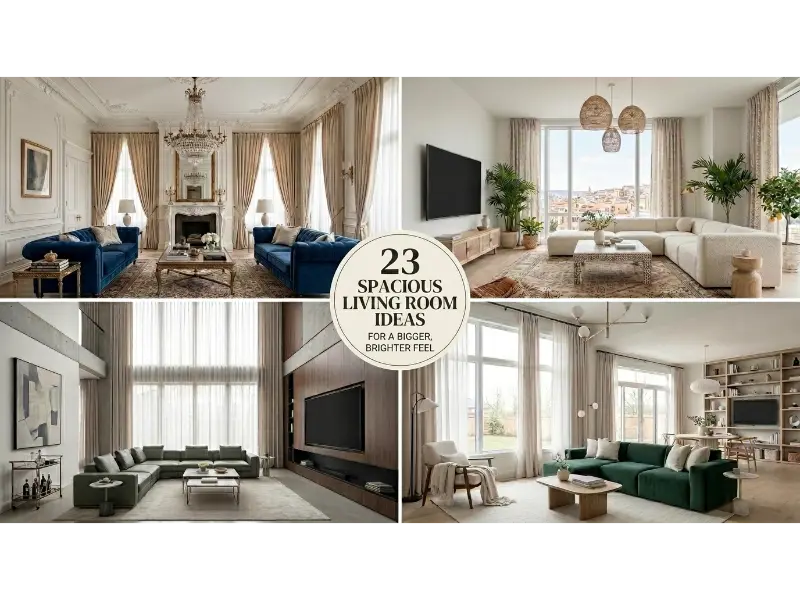
23 Spacious Living Room Ideas for a Bigger, Brighter Feel
A room can feel larger without changing its floor plan. The secret lies in how you handle light, furniture scale, visual flow, colour, storage, and empty space. These Spacious Living Room Ideas focus on practical changes that make a room feel brighter, calmer, and easier to use. From oversized mirrors to floating furniture and ceiling height tricks, each idea helps you create a home that looks open while still feeling warm, personal, and comfortable.
Smart Design Ideas for a Bigger Living Room Feel
1. Use a Large Mirror to Reflect Light
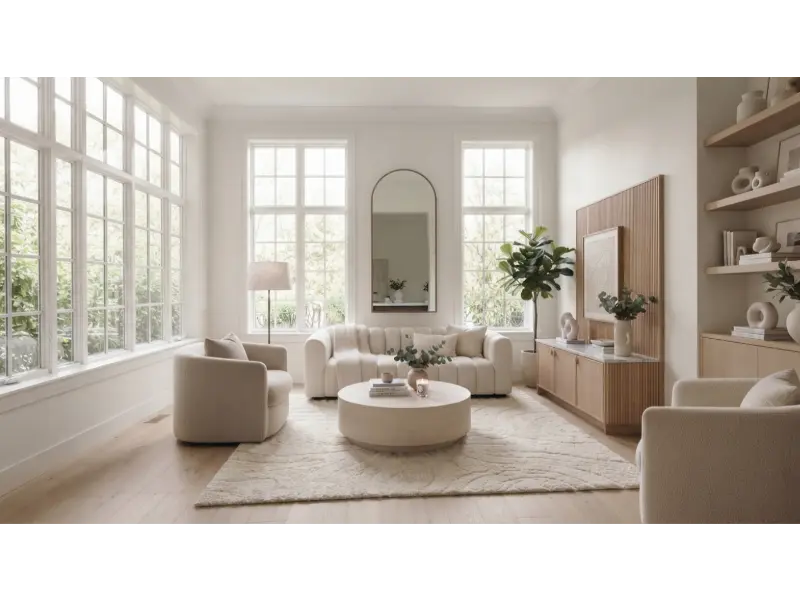
Spacious Living Room Ideas often begin with reflection because a well placed mirror can visually extend the room. Position a large mirror where it can reflect daylight, an attractive architectural feature, or an open section of the room. A mirror opposite or near a window can help distribute brightness while adding depth. Choose one substantial design instead of filling the wall with many tiny mirrors, which can create visual noise.
A tall arched mirror can make ceilings appear higher, while a broad rectangular mirror can emphasize width. Select a frame that complements your existing finishes so the mirror feels intentional rather than decorative clutter. For a console, sofa, or fireplace, consider a mirror with roughly two thirds of the furniture width as a starting point for balanced proportions.
Pro tip: Place the mirror where it reflects something beautiful, not a television, cluttered shelf, or blank wall.
2. Choose Furniture With Visible Legs
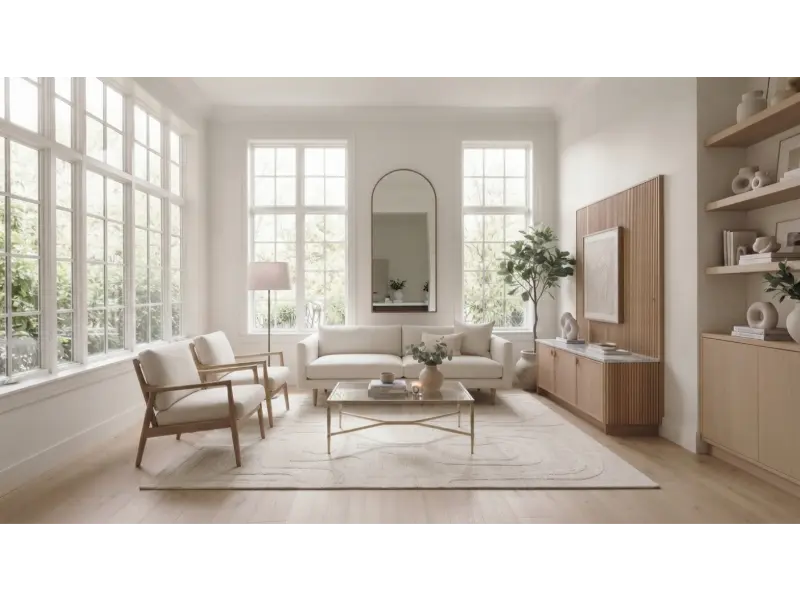
Furniture that sits directly on the floor can make a room appear visually heavy. Pieces with exposed legs allow the eye to travel underneath and around them, creating more visible floor area. This simple change works especially well in compact homes, where every visual gap matters. A raised sofa, slim armchair, or elevated media unit can make the room feel lighter without sacrificing comfort or style.
Look for furniture with clean silhouettes rather than thick bases and oversized upholstery. Light oak, natural timber, metal, or tapered legs can add warmth while preserving an open appearance. The goal is not to make every item delicate, but to balance substantial seating with enough breathing room around and beneath it. Good furniture scale also prevents the room from feeling crowded.
Pro tip: Before buying a sofa, use painter’s tape to mark its footprint on the floor and walk around it to test the circulation.
Read More: 23 Bathroom Storage Solution Ideas to Maximize Space
3. Hang Curtains Near the Ceiling
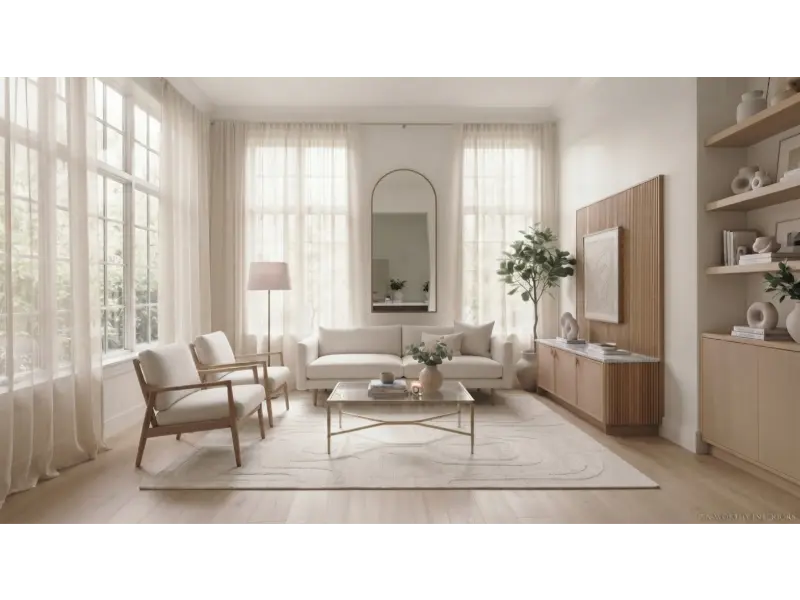
Curtains can change how you perceive the entire room. Instead of mounting the curtain rod directly above the window frame, place it closer to the ceiling and allow the fabric to fall almost to the floor. This creates a stronger vertical line and encourages the eye to travel upward. The result can make the windows feel taller and the room more open without structural changes.
Choose lightweight linen or sheer curtains when you want to preserve daylight. Neutral fabrics blend quietly with the walls and reduce visual interruption, while heavier curtains can frame the windows beautifully in larger rooms. Floor-to-ceiling treatments also create a more polished appearance and help connect separate parts of the room through repeated colour and texture.
Pro tip: Let curtains just touch or lightly break at the floor instead of leaving a large gap beneath them.
4. Use One Large Area Rug
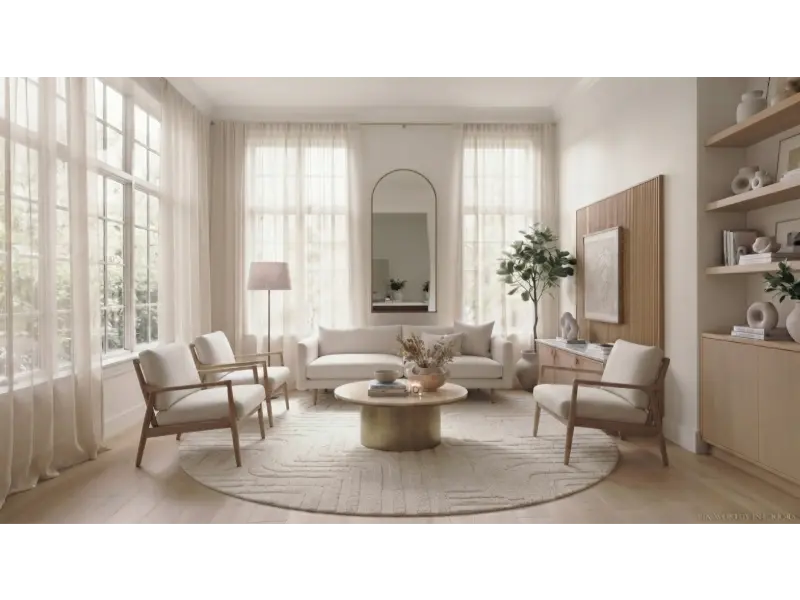
A small rug floating beneath a coffee table can visually break a room into disconnected pieces. One correctly sized rug creates a unified seating zone and makes the furniture arrangement feel deliberate. Ideally, the front legs of the main seating should sit on the rug, while a larger room may allow all furniture legs to rest comfortably within its boundaries.
Choose a rug with subtle texture or a restrained pattern if you want the room to feel calm. A large neutral rug can visually connect different furniture pieces without demanding attention. It also adds softness and improves acoustics, which can make a large room feel more comfortable rather than echoing. This approach works beautifully with modern, traditional, coastal, and minimalist interiors.
Pro tip: Measure the entire seating arrangement first, then choose the rug size instead of buying a rug based only on the coffee table.
5. Paint Walls and Ceiling in Similar Tones
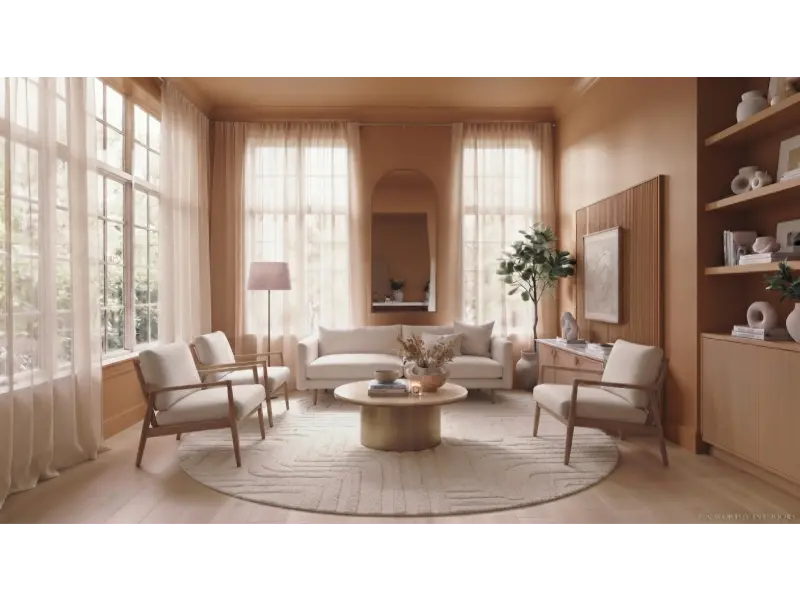
Using closely related colours across walls and ceilings can reduce hard visual boundaries. When the ceiling blends with the walls, the eye sees fewer interruptions, which can create a more continuous feeling. This technique works especially well with soft whites, warm creams, pale greige, muted beige, or gentle pastel shades. The result feels cohesive rather than visually chopped into separate surfaces.
You do not need a completely white room to create openness. A soft colour drenching approach can make a space feel sophisticated while preserving its sense of volume. Add contrast through furniture, artwork, wood, or textiles rather than relying on strong wall-to-ceiling colour changes. Designers increasingly use colour as a way to create continuity and atmosphere rather than simply decoration.
Pro tip: Test your chosen shade in morning, afternoon, and evening light before painting the entire room.
Read More: 23 Bedroom Storage Ideas to Maximize Space & Stay Organized
6. Create a Clear Walking Path
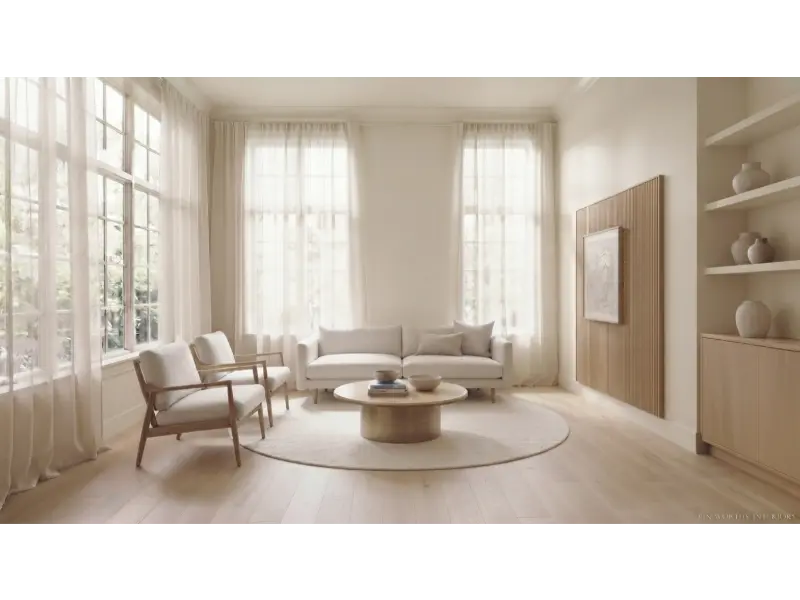
A beautiful room can still feel cramped if people must weave around furniture. Plan the main walking route before arranging decorative pieces. Keep pathways visually obvious and avoid placing tables, stools, plants, or baskets where they interrupt movement. A clear circulation route makes the room feel more generous because the eye can move easily from one part of the home to another.
Think about how your household actually uses the space. If people walk from the entrance toward the kitchen, keep that route open. If the room connects to a garden, avoid blocking the sightline to the doors. Good living room layout depends on function, comfort, and flow, not simply placing furniture against walls.
Pro tip: Walk through the room several times after rearranging it and notice where your body naturally wants more space.
7. Float the Sofa Away From the Wall
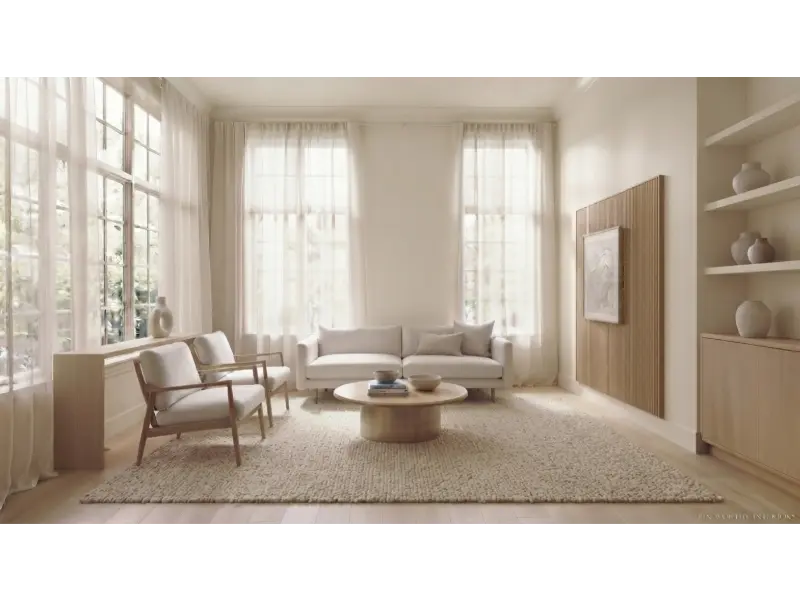
Pushing every piece of furniture against the walls may seem like the best way to create floor space, but it can sometimes make the room feel oddly arranged. Floating the sofa can establish a clear seating zone while creating better circulation around it. In a large room, this arrangement also prevents the centre from becoming an unused empty void.
Place a narrow console behind the sofa if you need a practical surface or visual anchor. In open plan homes, the back of the sofa can also define the living area without adding a physical wall. This creates useful zones while maintaining sightlines, which makes the entire floor plan feel connected and flexible.
Pro tip: Leave enough room behind a floating sofa for comfortable movement rather than creating a narrow passage that feels accidental.
8. Select a Light and Warm Colour Palette
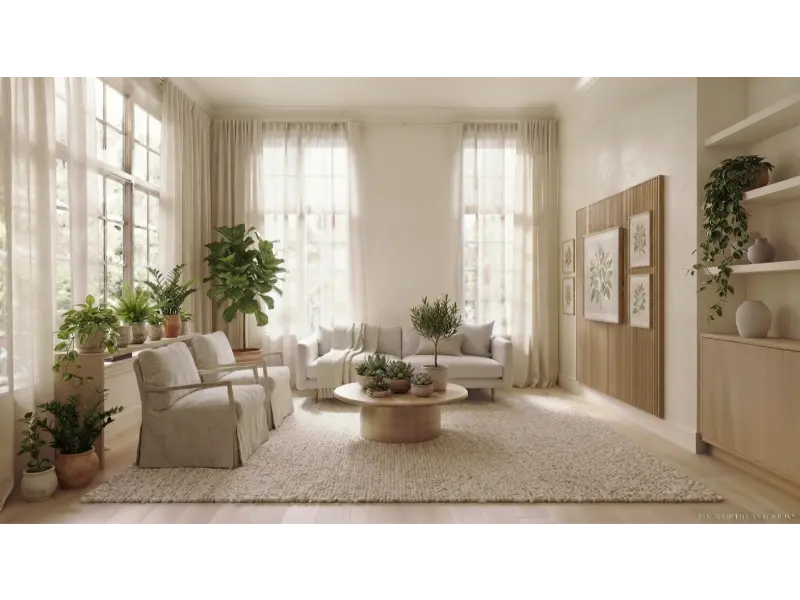
Colour strongly affects how we perceive space. Light tones reflect more available daylight and can make walls feel less visually dominant. Warm white, cream, pale beige, soft greige, and muted natural shades create a relaxed foundation without making the room feel sterile. Add depth through wood, woven materials, greenery, and small amounts of darker contrast.
A successful bright living room does not need to look completely monochromatic. Introduce two or three related shades through cushions, curtains, artwork, and furniture. Repeating those colours helps the eye move around the room rather than stopping at every individual object. A restrained palette also makes it easier to change seasonal accessories without disrupting the overall design.
Pro tip: Keep the largest surfaces light and use stronger colours mainly on smaller furniture, artwork, and accessories.
9. Add Glass or Acrylic Furniture
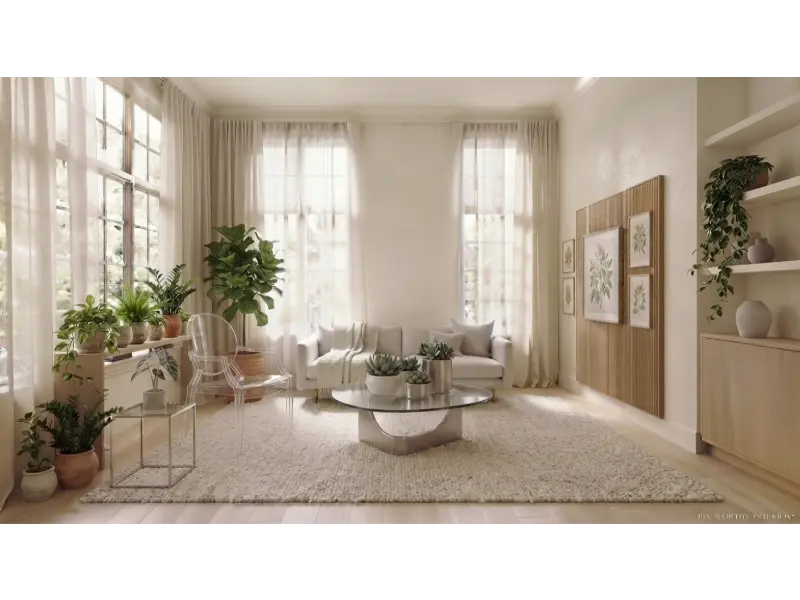
Transparent furniture can provide function without adding much visual weight. A glass coffee table, acrylic side chair, or transparent console allows light and sightlines to continue through the piece. This can be especially helpful when the room already contains several substantial furniture items. The furniture remains useful while visually taking up less space.
Pair transparent surfaces with warmer materials so the room does not become cold or overly minimal. Wood, linen, wool, rattan, and soft upholstery provide balance. A glass table can also reflect daylight subtly, while its open base preserves more visible flooring. These details support a clutter free living room without removing personality or comfort.
Pro tip: Use transparent furniture selectively. One or two pieces usually create the desired openness without making the room feel overly showroom-like.
10. Use Layered Lighting Instead of One Ceiling Light
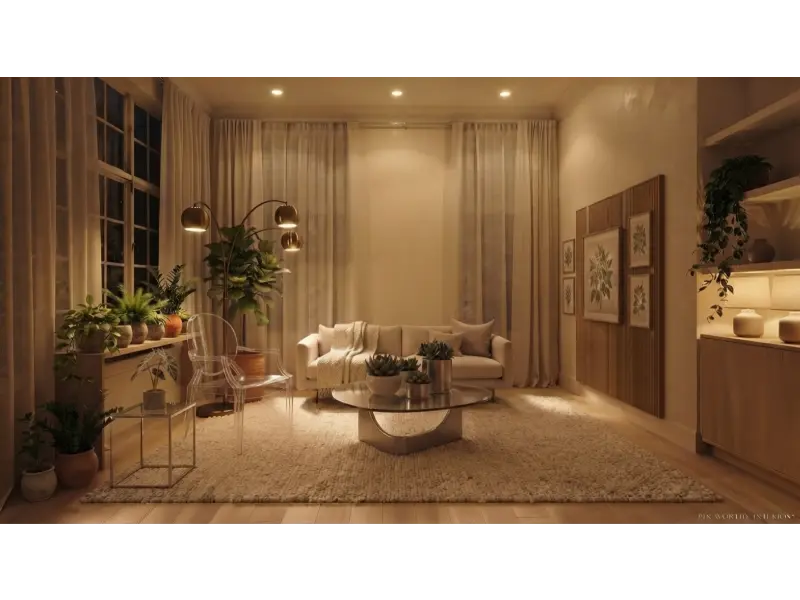
Lighting changes how large and welcoming a room feels throughout the day. Instead of relying on one central ceiling fixture, combine ambient, task, and accent lighting. A floor lamp can brighten a dark corner, a table lamp can create warmth beside seating, and wall or ceiling lighting can provide general illumination. Multiple light sources prevent the room from becoming visually flat.
Place lamps at different heights to create a gentle rhythm around the room. Warm bulbs can make evening spaces feel comfortable, while daylight should remain the main focus during daytime hours. Avoid using mismatched colour temperatures because inconsistent lighting can make a carefully designed room feel unsettled.
Pro tip: Light the corners first. Dark corners visually shorten a room, while gentle illumination can make the boundaries feel less obvious.
11. Use a Large Statement Artwork
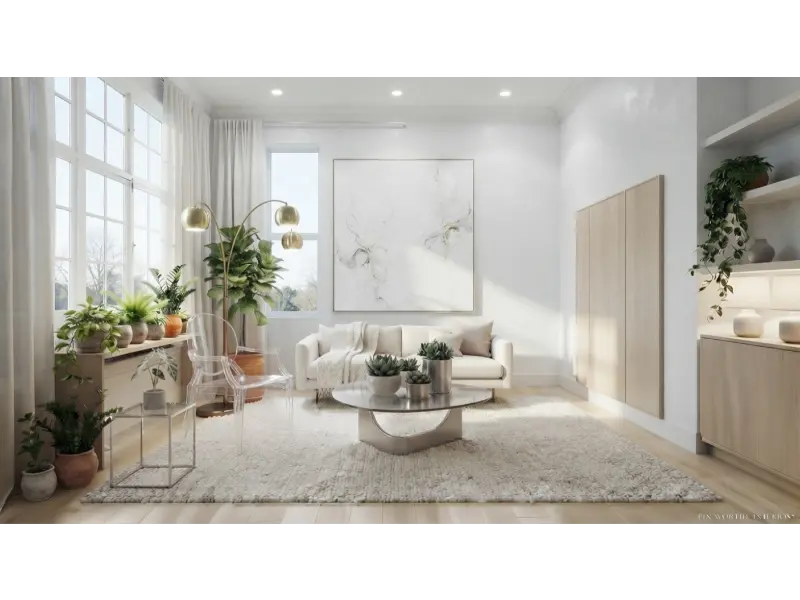
A large artwork can create a strong focal point without filling the room with small decorative objects. One carefully chosen piece gives the eye somewhere to land while keeping surrounding walls relatively calm. Choose artwork with colours that already appear elsewhere in the room so it feels connected to the furniture and textiles rather than appearing randomly added.
Oversized art also suits larger rooms because tiny pieces can look lost on broad walls. Scale matters throughout interior design, including artwork and lighting. A strong focal point can establish balance and help the room feel intentional rather than empty.
Pro tip: Hang artwork at a comfortable viewing height rather than automatically placing it near the ceiling.
12. Add Built In Storage That Blends In
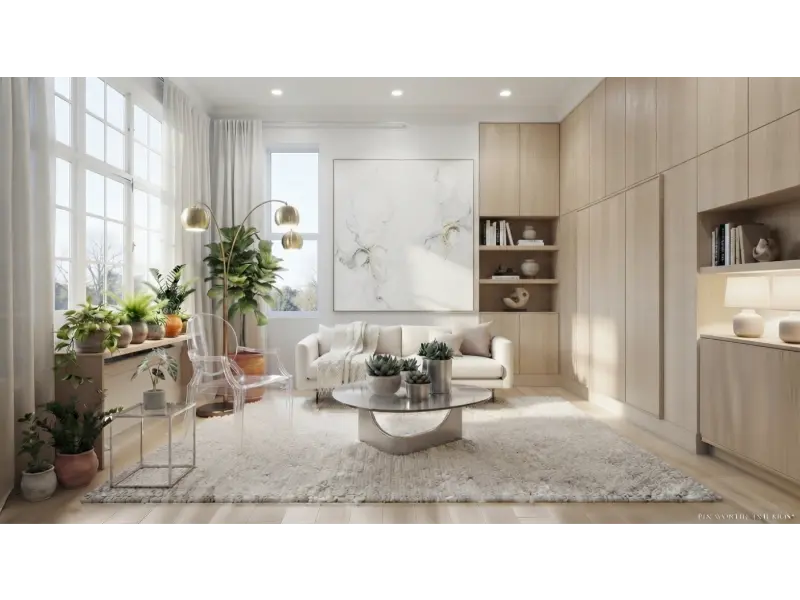
Visible clutter makes even a generous room feel smaller. Built in cabinetry can solve this problem by giving everyday items a dedicated home while maintaining a clean visual line. Use a combination of closed cupboards and open shelving so useful objects remain accessible without every surface becoming crowded.
For a cohesive appearance, match cabinetry closely with the wall colour or use natural wood for warmth. Full height storage can also draw attention upward and make better use of vertical space. The most effective living room storage ideas hide visual clutter while leaving enough open space for artwork, plants, and carefully selected objects.
Pro tip: Give frequently used items closed storage and reserve open shelves for pieces that genuinely contribute to the room.
13. Choose a Curved Sofa or Rounded Furniture
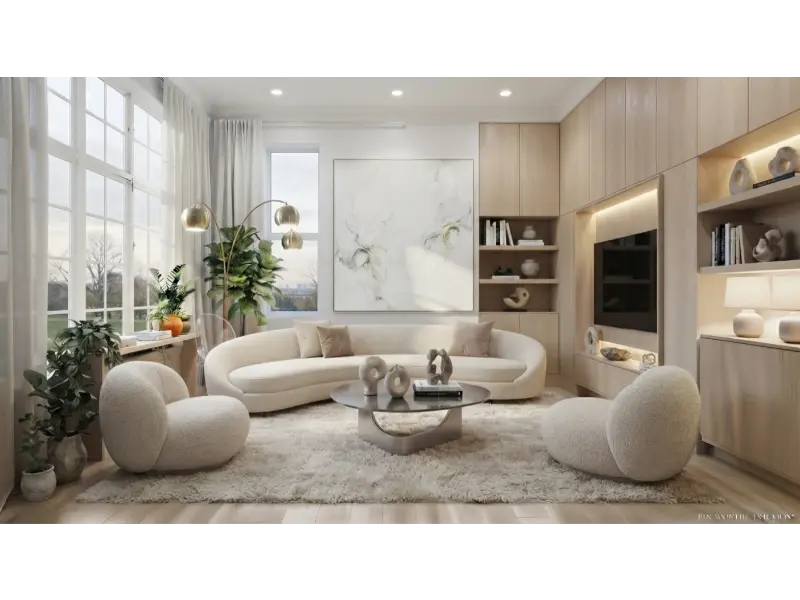
Curved furniture can soften a room filled with straight architectural lines. A rounded sofa, oval coffee table, or circular side table introduces movement and helps create a more conversational arrangement. The absence of sharp corners can also make pathways feel smoother, particularly when furniture sits near busy circulation areas.
Use curves as a design feature rather than filling every corner with rounded shapes. Pair a curved sofa with linear shelving, rectangular artwork, or a straight floor lamp for contrast. This creates visual balance while giving the room a relaxed character. Current interiors increasingly use sculptural and curved forms to bring softness into structured spaces.
Pro tip: If a curved sofa feels too bold, start with a round coffee table or curved accent chair instead.
14. Keep the Coffee Table Proportional
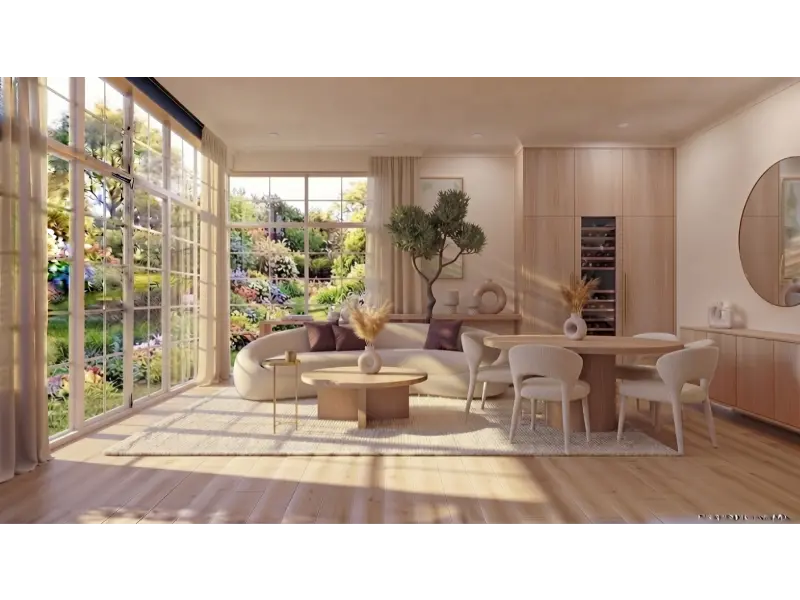
The coffee table should relate to the size of your seating rather than simply filling the centre of the room. A table that is too large can block circulation, while one that is too small may make the seating arrangement look disconnected. Aim for a comfortable relationship between the table, sofa, chairs, and available walking space.
Choose a round table for layouts with several angled chairs, or a rectangular table for a long sofa. Storage ottomans can provide another useful option because they combine seating, tabletop function, and hidden storage. Furniture should always support how people use the room rather than exist only for visual symmetry.
Pro tip: Keep the table low enough to relate comfortably to the sofa seat and leave practical clearance for movement.
15. Bring Nature Into the Room
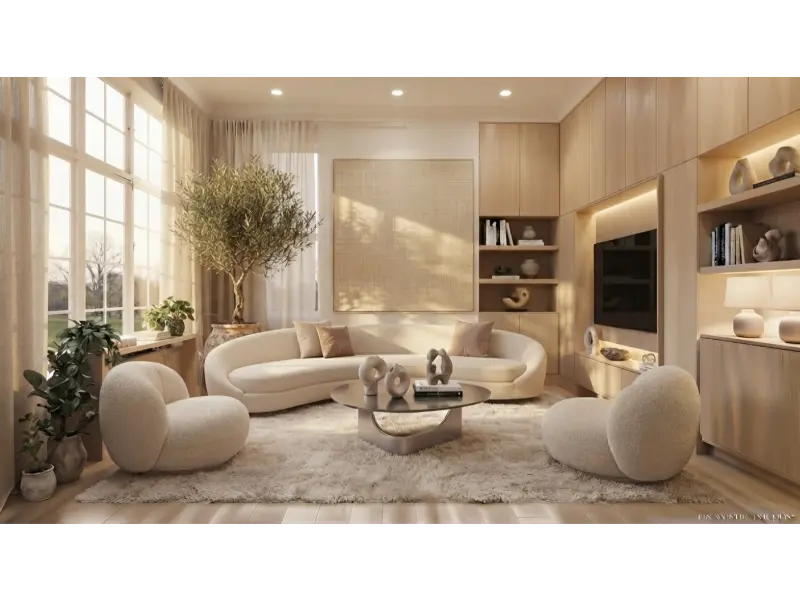
Plants add life without requiring heavy decoration. A tall indoor tree can draw the eye upward, while smaller plants can soften shelves and corners. Natural greenery also introduces colour and texture without overwhelming a neutral palette. Place plants near windows where appropriate, but choose varieties that suit your actual light conditions.
Natural materials can reinforce the same effect. Combine greenery with timber, rattan, linen, jute, stone, or woven baskets to create an organic living room that feels connected to the outdoors. The combination keeps the space warm and personal while preserving the visual calm that makes an airy room appealing.
Pro tip: Use one larger plant as an anchor instead of filling every empty corner with small pots.
16. Use a Narrow Console Behind the Sofa
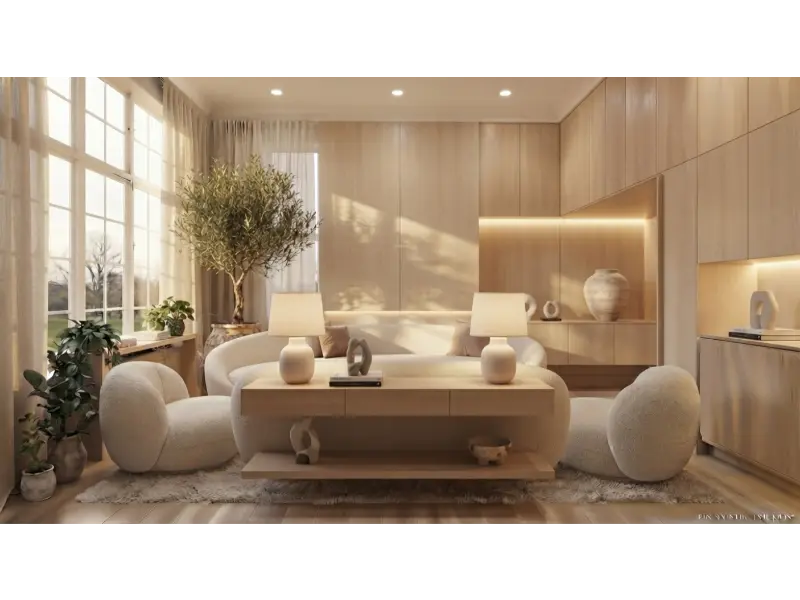
A slim console behind a floating sofa can give a large room structure without creating a bulky barrier. It provides space for a lamp, books, flowers, or a few meaningful accessories. In an open plan layout, the console can also visually finish the back of the sofa and help distinguish the living zone from nearby dining or kitchen areas.
Choose a console that remains narrow enough to preserve circulation. Open shelves can make the piece feel lighter, while drawers or cabinets provide useful storage. The best arrangement combines function with proportion, ensuring the furniture supports the room instead of competing with it. This is particularly useful in expansive open plan homes.
Pro tip: Keep the console styling restrained so the back of the sofa remains visually clean.
17. Create a Conversation Area
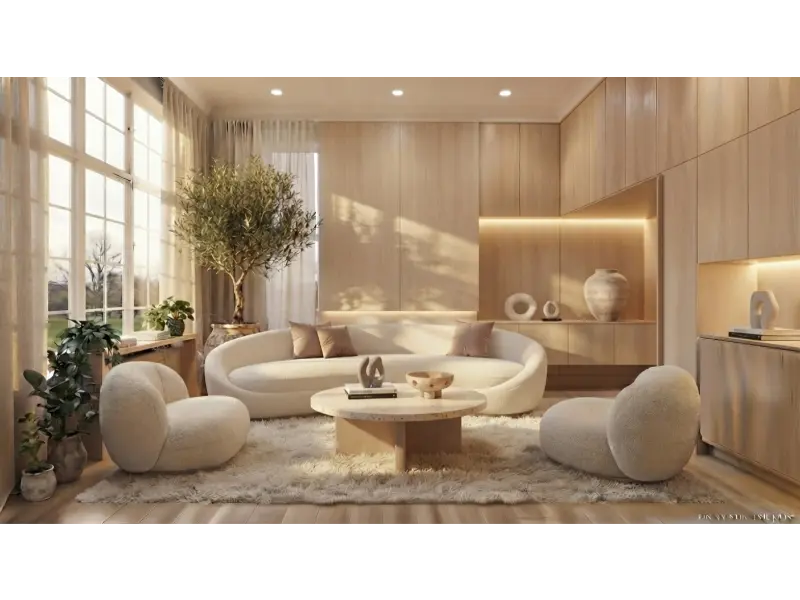
A living room feels more spacious when furniture creates a clear purpose instead of sitting randomly around the perimeter. Arrange seating so people can comfortably face one another and talk. A sofa paired with two chairs can create a balanced arrangement while leaving useful space around the group. Designers often use variations of this ratio because it creates a natural social setting.
Avoid placing every seat toward the television if the room serves several purposes. A conversation zone can make the space feel more sophisticated and welcoming while still allowing a television to remain part of the layout. Use a rug, lighting, and coffee table to visually connect the seating pieces into one coherent area.
Pro tip: Angle accent chairs slightly toward the sofa to make the room feel more inviting and less rigid.
18. Use Vertical Shelving to Draw the Eye Up
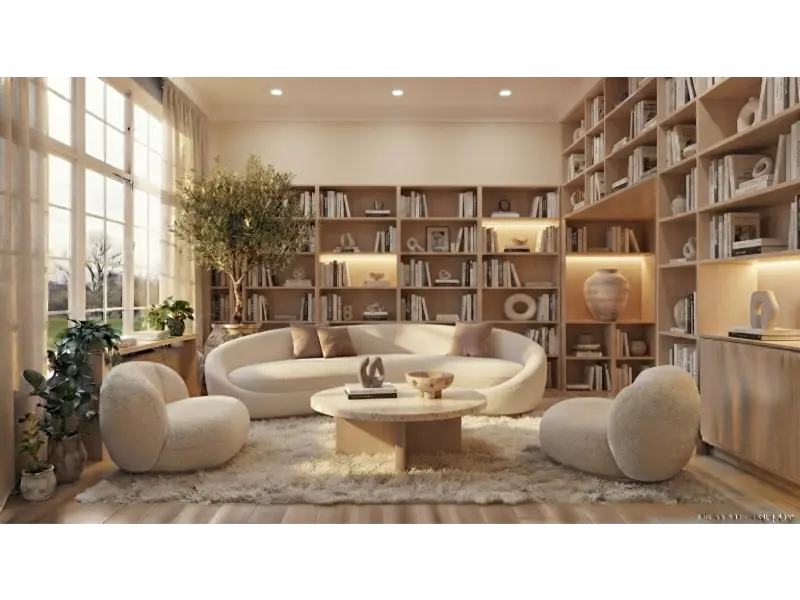
Vertical lines can encourage the eye to move upward, making the room feel taller. Tall shelving, floor-to-ceiling bookcases, vertical artwork, or narrow wall panels can create this effect without changing the ceiling height. The trick works particularly well in rooms with modest proportions because it shifts attention from limited floor area toward the full height of the room.
Keep the shelving visually edited rather than filling every opening. Mix books with empty spaces, ceramics, plants, and framed art to create rhythm. A balanced display gives the wall structure while preserving breathing room. Thoughtful scale and proportion remain essential because oversized or cluttered shelving can quickly become visually heavy.
Pro tip: Leave some shelves partially empty so the vertical feature feels intentional rather than crowded.
19. Open the View Toward Windows
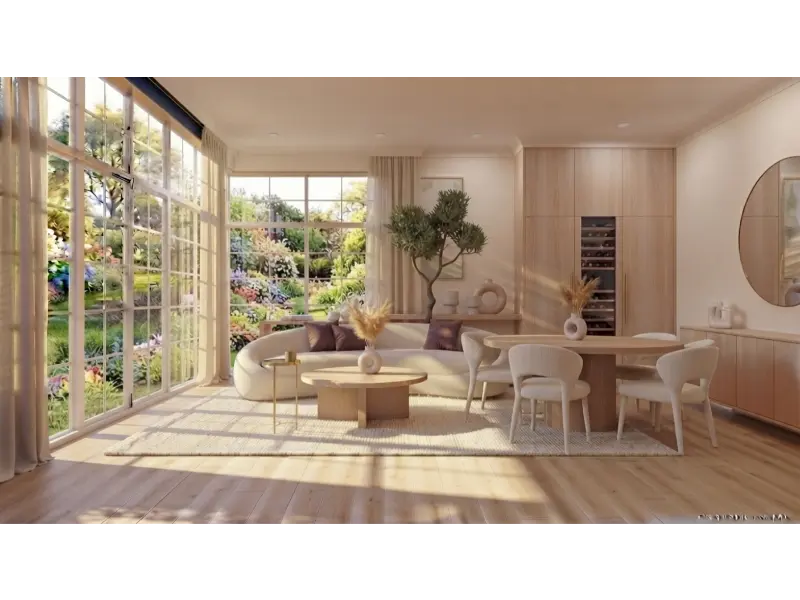
Natural light becomes much more effective when furniture does not block it. Keep bulky sofas, tall cabinets, and large plants away from the strongest window sightlines when possible. This allows daylight to travel deeper into the room and creates a visual connection with the outdoors. The garden, balcony, or sky can become part of the room’s perceived depth.
Use low furniture near windows when seating must occupy that area. Sheer curtains can preserve privacy while allowing daylight to filter through. A clear view also gives the eye somewhere to travel beyond the physical wall, which can make the room feel more expansive and connected to its surroundings.
Pro tip: Stand at the main entrance and check what you see first. A clear window view can make a powerful first impression.
20. Reduce Visual Clutter
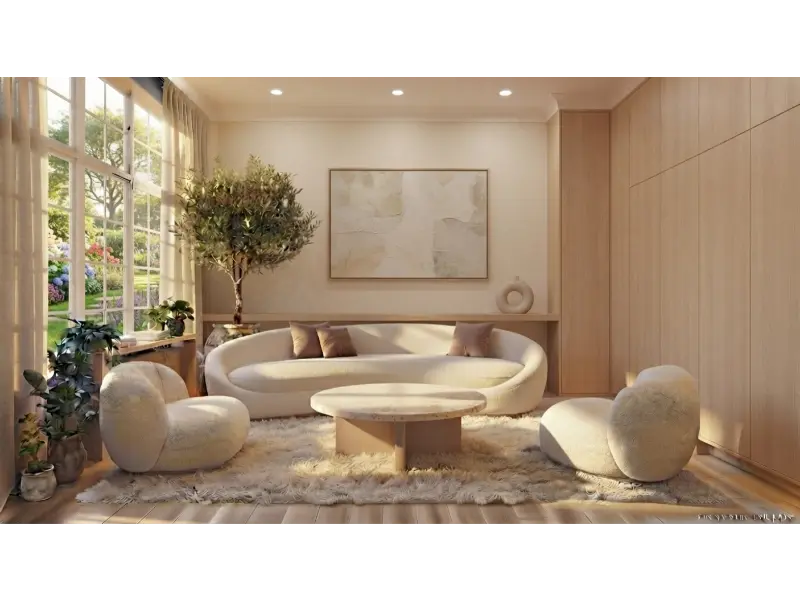
One of the simplest ways to make a room feel larger costs nothing. Remove objects that do not serve a purpose or add beauty. Too many cushions, accessories, baskets, small frames, and decorative pieces compete for attention and make surfaces feel crowded. A carefully edited room allows the architecture, furniture, and natural light to become more noticeable.
This does not mean creating a cold minimalist space. Keep objects that have meaning, texture, or practical value. Grouping accessories in small collections can create stronger visual impact than spreading dozens of items across every surface. Designers also recommend editing decor when a room starts to feel visually overloaded.
Pro tip: Remove three items from each major surface and live with the room for a few days before deciding what needs to return.
21. Add a Reflective Side Table
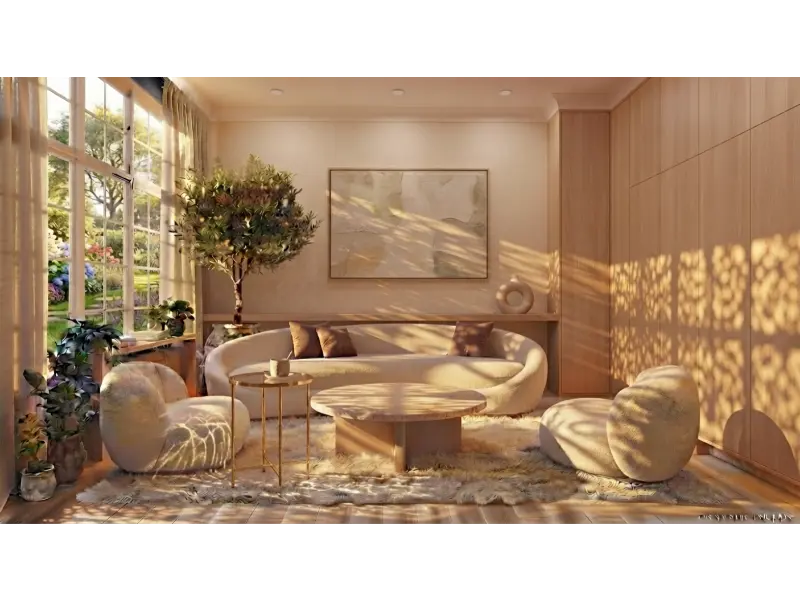
You do not need a wall sized mirror to introduce reflection. A glass, polished metal, or glossy ceramic side table can catch light and create subtle visual movement. These smaller reflective elements work well when you want brightness without making the room look overly decorated. They also add a refined layer of texture beside sofas and chairs.
Choose one reflective finish and repeat it sparingly through lighting or hardware. Brass, brushed metal, chrome, and glass can each create a different mood. Keep surrounding surfaces simple so the reflective piece becomes an accent rather than another source of visual clutter.
Pro tip: Position reflective furniture near a lamp or window so it captures light naturally instead of producing distracting glare.
22. Divide an Open Plan Room With Furniture
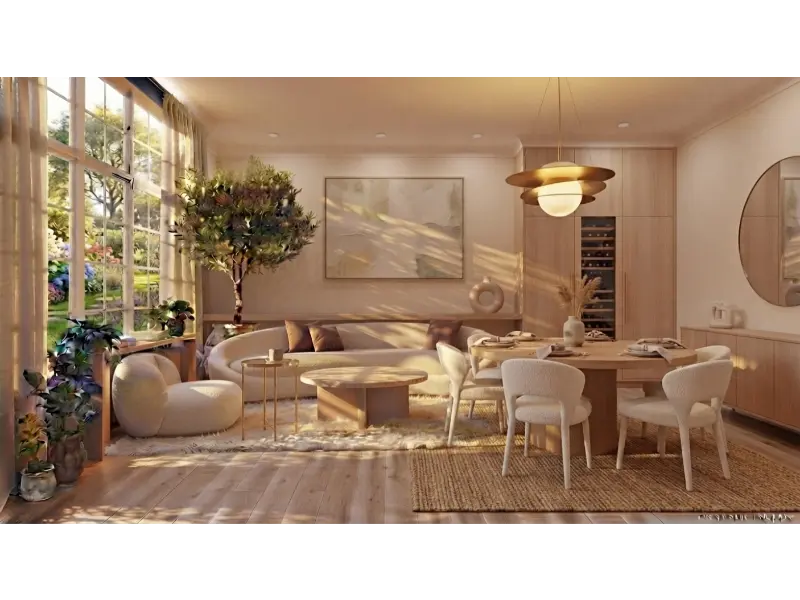
Large open rooms can sometimes feel less spacious when everything blends into one undefined area. Create gentle zones instead. A sofa can separate living from dining, a rug can establish the seating area, and lighting can define different activities without blocking the overall sightline. This approach creates structure while preserving the openness that makes open plan interiors appealing.
Keep colours and materials consistent between zones so the room still feels connected. Repeating wood tones, textiles, or accent colours creates visual continuity. The goal is not to build barriers but to give each part of the room a clear purpose. Thoughtful zoning can make a large floor plan feel more comfortable and easier to navigate.
Pro tip: Use furniture and rugs to zone the room before considering screens, partitions, or permanent walls.
23. Embrace Negative Space
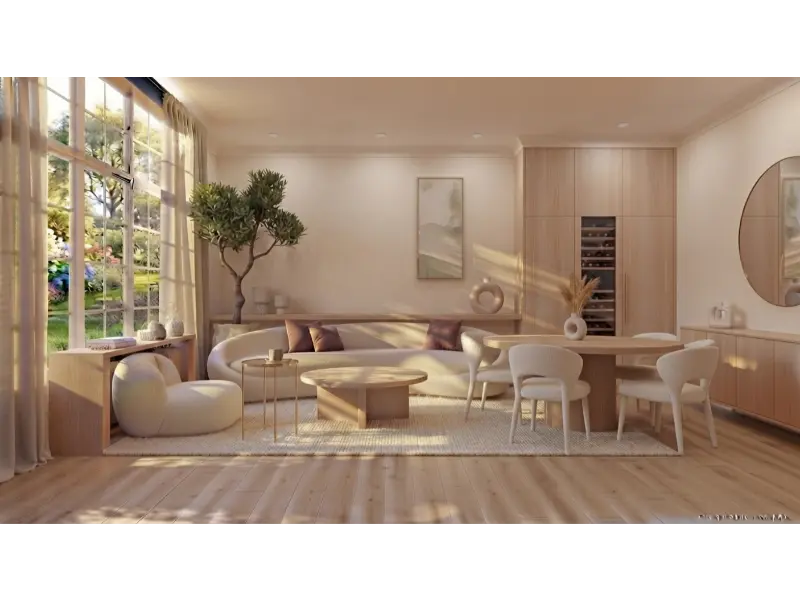
One of the most overlooked Spacious Living Room Ideas is simply leaving some areas empty. Empty space gives important furniture room to breathe and allows the eye to rest. You do not need to fill every wall, corner, or shelf. A generous gap around a chair or an uncluttered section of flooring can make the entire room feel more deliberate.
Negative space becomes especially valuable in larger rooms because too many furnishings can destroy the sense of openness. Start with the essential pieces, then add only what improves comfort or character. Good interior design balances occupied and unoccupied areas so the room feels complete without feeling crowded. Proportion, scale, balance, and harmony all contribute to that result.
Pro tip: Before adding another decorative item, ask whether the empty space might actually be doing more for the room.
How to Make These Living Room Ideas Work Together
The strongest airy living room design rarely depends on one trick. Instead, several small decisions support one another. Start with the floor plan, choose furniture that fits the room, protect the main walking routes, and then build the visual layers through lighting, colour, textiles, artwork, and greenery. Interior design experts consistently emphasize proportion, scale, balance, flow, and harmony because these principles keep a room both attractive and practical.
Before buying anything, measure the room, doors, windows, and existing furniture. Mark large pieces on the floor with tape if necessary. This simple planning step helps prevent the common mistake of choosing furniture that looks beautiful in a showroom but overwhelms the actual room. Correct scale can make a modest room feel comfortable and can also stop a large room from feeling strangely empty.
Frequently Asked Questions
How can I make my living room look bigger without renovating?
Focus on visual space rather than structural space. Use light colours, a large mirror, appropriately sized furniture, clear walking paths, floor length curtains, and layered lighting. Remove unnecessary clutter and avoid blocking windows with bulky furniture. These changes can alter how the eye reads the room without moving walls or changing the floor plan.
What colour makes a living room feel more spacious?
Soft white, warm cream, pale beige, light greige, and muted natural colours can create an open feeling because they provide a calm visual background. However, the best shade depends on natural light and the room’s existing finishes. Test samples at different times of day before committing to a colour.
Does a large rug make a room look bigger?
A correctly sized large rug can make the seating arrangement feel more unified and intentional. A tiny rug can create disconnected furniture groupings, while a generous rug can visually connect the sofa, chairs, and table. The rug should relate to the entire seating arrangement rather than only the coffee table.
Where should I put a mirror in a living room?
Place a mirror where it reflects natural light, an attractive view, or another visually useful part of the room. Avoid positioning it where it reflects clutter. A mirror opposite or near a window can help bounce light and create an impression of additional depth.
Should furniture touch the walls?
Not always. Floating furniture can create stronger seating zones and improve circulation, especially in large rooms or open plan spaces. However, the best arrangement depends on the architecture, doorways, windows, and walking routes. Do not pull furniture away from walls simply to follow a trend.
How do I make a large living room feel cozy?
Use appropriately scaled furniture, layered lighting, rugs, curtains, plants, artwork, and tactile fabrics. Divide the room into functional zones instead of leaving furniture scattered across a large floor area. Warm materials such as timber, linen, wool, and woven textures can add comfort without making the room feel cluttered.
What is the biggest mistake when designing a spacious living room?
Poor scale is one of the biggest problems. Furniture that is too small can make a large room feel empty, while oversized pieces can restrict movement and overwhelm the architecture. Measure before purchasing and consider how each piece relates to the room and to the other furniture.
How many light sources should a living room have?
There is no fixed number because room size and use vary, but layering several types of lighting generally creates a better result than relying on one ceiling fixture. Combine ambient lighting with task and accent lighting. Floor lamps, table lamps, wall lights, and ceiling fixtures can work together to create depth and comfort.
Can dark colours work in a spacious living room?
Yes. A spacious room can handle deeper colours beautifully when you balance them with natural light, reflective surfaces, lighter textiles, and thoughtful lighting. Dark walls can create intimacy and drama, particularly when used intentionally. The key is controlling contrast and maintaining enough visual breathing room.
How do I keep a bright living room from feeling cold?
Add texture and natural materials. Linen curtains, wool rugs, timber furniture, woven baskets, plants, ceramics, and soft upholstery introduce warmth. Layered lighting also helps in the evening. A room can remain light and open while still feeling comfortable when you combine visual simplicity with tactile materials.
Conclusion
Creating a room that feels bigger does not require filling it with expensive furniture or removing walls. The most effective approach starts with good proportions, clear circulation, natural light, and thoughtful editing. A large mirror can add depth, raised furniture can reveal more floor, layered lighting can brighten dark corners, and a well sized rug can bring the entire seating arrangement together.
Use these Spacious Living Room Ideas as a flexible design framework rather than a strict rulebook. Begin with the changes that solve your biggest problem, then build from there. When furniture, colour, lighting, storage, texture, and empty space work together, your living room can feel brighter, calmer, more functional, and naturally inviting without losing the personality that makes it yours.