20 Small Living Room Decor Ideas for a Cozy, Spacious Feel
Small living rooms have a secret advantage: they’re naturally cozy. The trick is keeping that warmth while making the space feel open, uncluttered, and easy to move through. These small living room decor ideas use smart furniture choices, light-bouncing tricks, and thoughtful styling to make compact rooms feel generous. From leggy sofas to strategic mirrors, every idea earns its footprint. Let’s make your little living room live large.
Creative and Cozy Small Living Room Decor Ideas
1. Light Neutral Color Palette
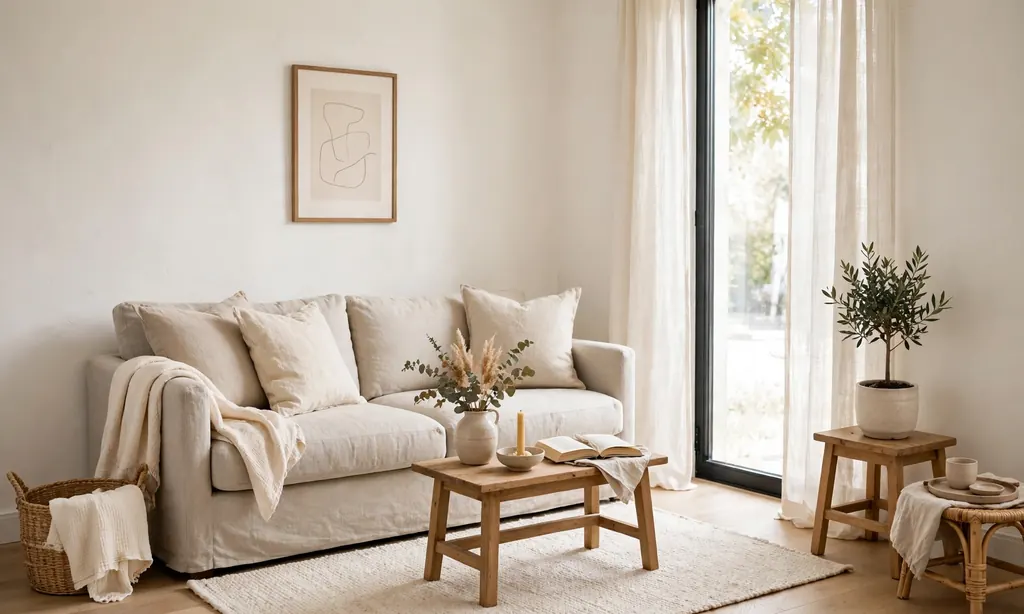
A light neutral palette — warm whites, soft beiges, pale grays — makes walls recede and daylight stretch further. When everything shares one airy color family, the room reads as one continuous space instead of chopped-up pieces. It’s the foundation every small living room should start with.
Layer tones rather than going flat white: ivory walls, oatmeal sofa, cream rug, with texture doing the talking. Add depth with nubby throws, linen cushions, and a jute rug. Pops of color come later through art and small accessories you can swap seasonally.
Pro Tip: Paint the ceiling the same light shade as the walls — it erases the visual boundary and lifts the room.
2. Multi-Functional Storage Ottoman
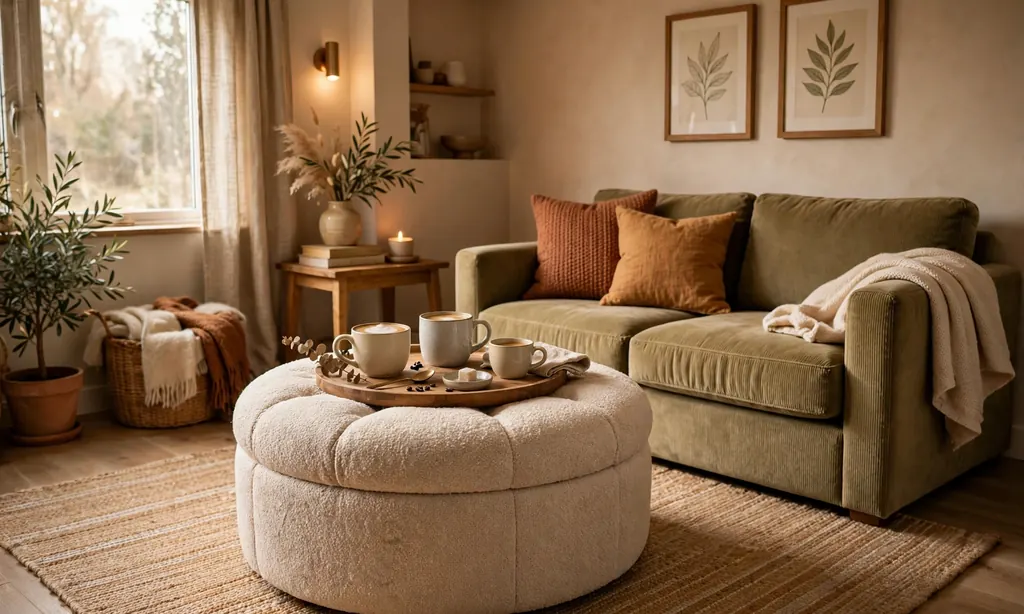
A storage ottoman is the hardest-working piece in a small living room: footrest, extra seat, coffee table, and hidden storage in one. Tuck blankets, remotes, and board games inside to keep surfaces clear. Choose one sized to double as your coffee table.
Top it with a tray and it instantly becomes a stable surface for drinks and books. Upholstered ottomans soften the room, while leather ones add polish. Round shapes improve traffic flow in tight layouts.
Pro Tip: Pick an ottoman on small casters so you can roll it aside when you need floor space.
3. Wall-Mounted Floating Shelves
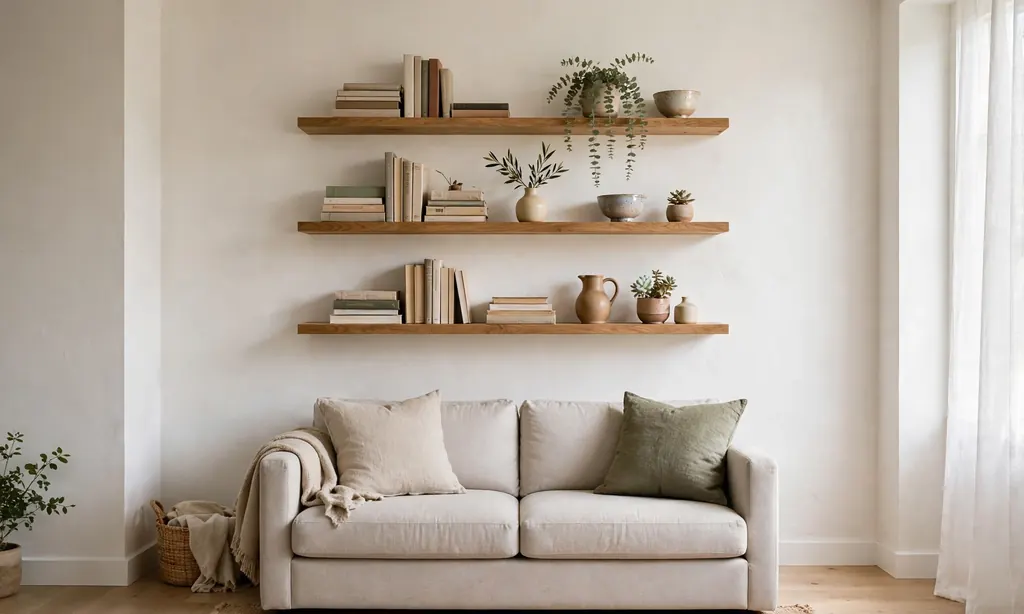
Floating shelves claim wall space instead of floor space, which is exactly what small living rooms need. Use them for books, plants, and pretty objects that would otherwise crowd surfaces. Two or three slim shelves can replace an entire bulky bookcase.
Install them high enough to clear furniture but low enough to style comfortably — eye level to slightly above works best. Keep the styling airy with breathing room between objects. Matching shelf finishes to your trim makes them feel built in.
Pro Tip: Stagger shelf lengths asymmetrically for a modern, designer look.
4. Large Mirror to Double the Space
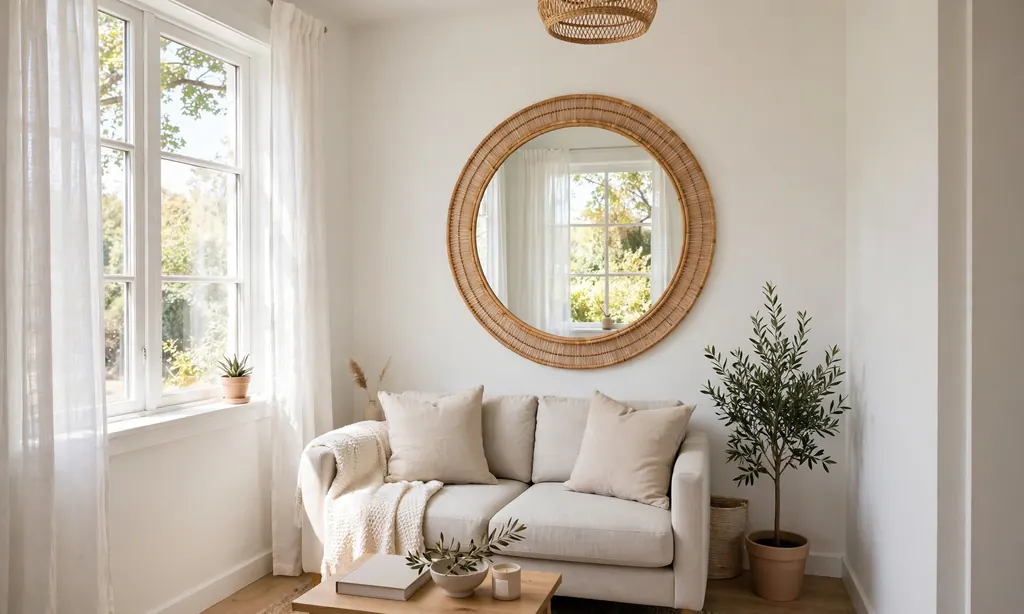
One oversized mirror does more for a small living room than almost any other single piece. It reflects light, doubles the view, and creates the illusion of another room beyond the wall. Lean a floor mirror or hang a large round one opposite a window.
Position the mirror to reflect something beautiful — a window, greenery, or your prettiest wall. A thin frame keeps the look light; an arched shape adds softness. Avoid placing mirrors where they reflect clutter or the TV screen.
Pro Tip: A mirror behind a console lamp doubles the lamplight at night — instant ambiance.
5. Slim-Profile Sofa with Legs
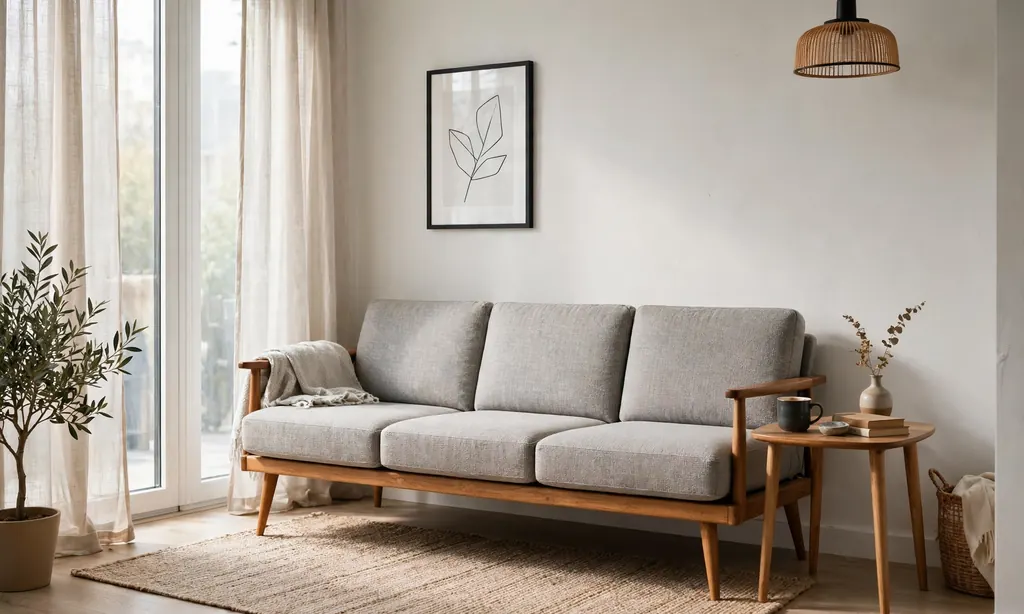
A sofa raised on slim legs reveals floor underneath, which makes the whole room feel more open. Bulky skirted sofas sit like visual boulders in small spaces; leggy ones float. Choose tight-back, narrow-arm designs to maximize seating in minimal width.
Mid-century and Scandinavian styles naturally offer the slim profiles small rooms need. A loveseat plus one good chair often beats a full-size sofa in a compact room. Keep the upholstery light to enhance the airy effect.
Pro Tip: Measure your doorways and stairwells before buying — small rooms often come with tight access.
Read More: 20 Rustic Living Room Wall Decor Ideas for a Warm, Charming Space
6. Glass Coffee Table
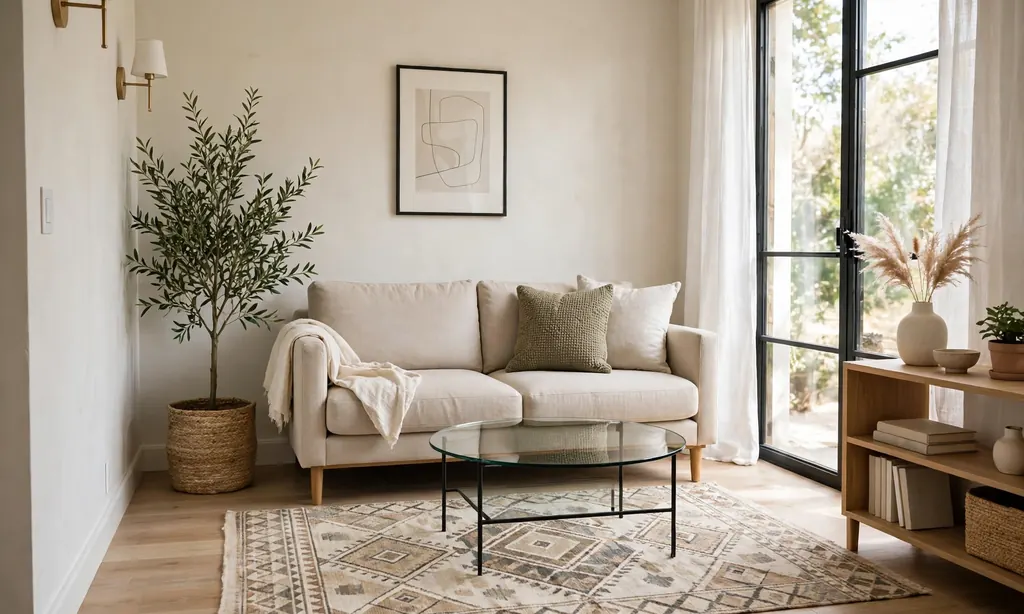
A glass coffee table practically disappears, letting your rug and floor show through uninterrupted. You get full function with almost zero visual weight. It’s the closest thing to having a coffee table and not having one.
Choose tempered glass with a slim metal or wood frame for safety and style. Keep the styling minimal — one stack of books and a small object is plenty. Round glass tops improve flow in tight seating arrangements.
Pro Tip: Place a patterned rug underneath — the glass lets the pattern shine through as the real star.
7. Vertical Striped Rug
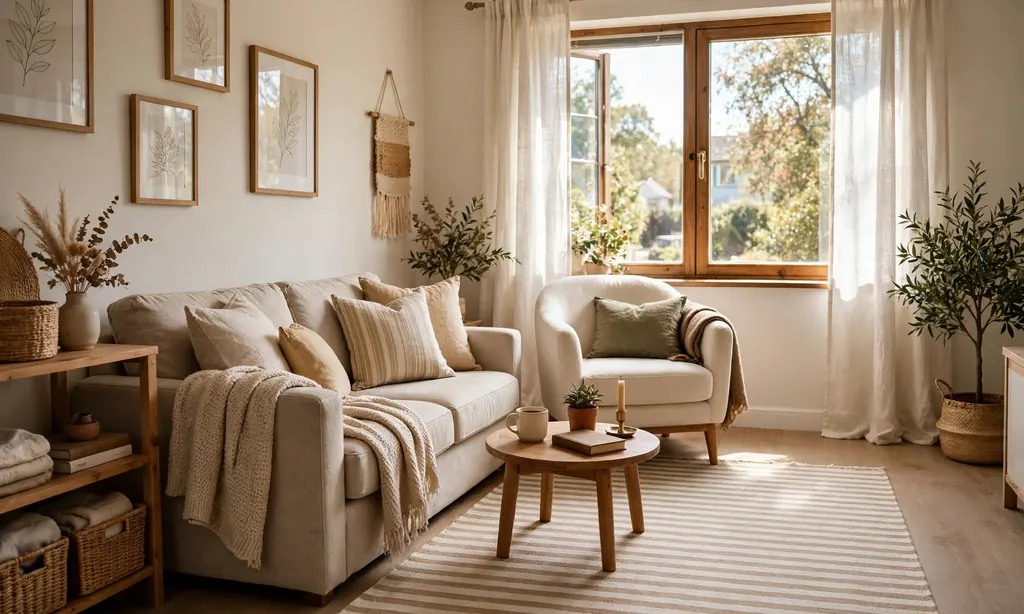
Stripes are optical magic in small rooms. A striped rug laid with stripes running toward the far wall draws the eye forward and stretches the room visually. It’s an easy, renter-friendly way to reshape how a space feels.
Choose low-contrast stripes in neutral tones for a subtle elongating effect. Make sure the rug is large enough — front legs of all seating should sit on it. A flat-weave rug keeps the profile slim in tight quarters.
Pro Tip: Run stripes from the doorway toward the window to maximize the sense of depth.
8. Corner Reading Nook Chair
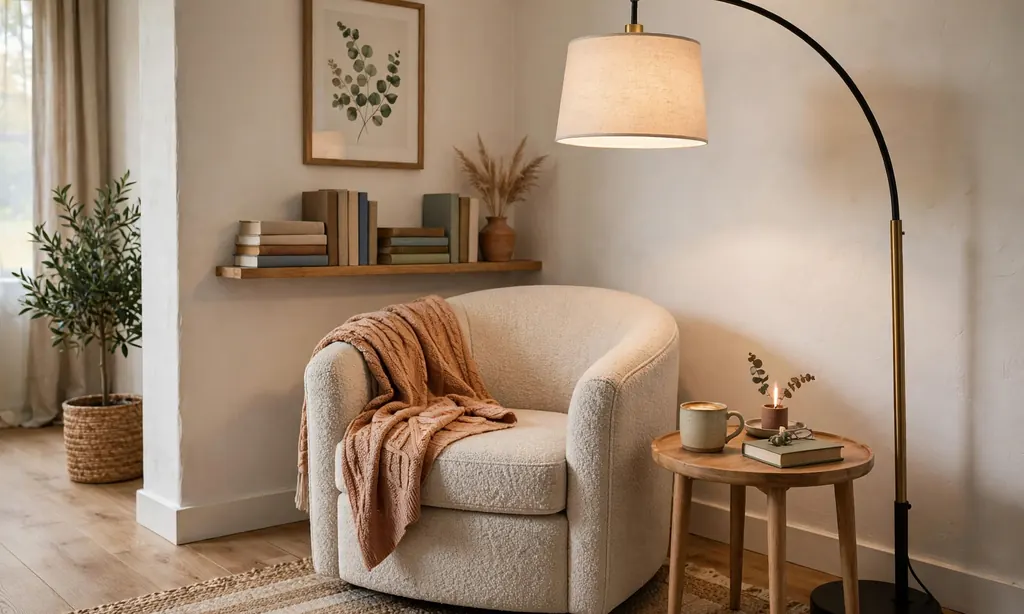
An unused corner becomes the coziest spot in the house with one comfortable chair, a small side table, and a floor lamp. A reading nook gives a small living room purpose and charm without demanding much space. Every home deserves one inviting corner.
Choose a compact armchair with a slim profile — barrel and slipper chairs fit corners beautifully. Add a soft throw and a small plant to complete the vignette. A wall-mounted reading sconce saves the floor space a lamp would take.
Pro Tip: Angle the chair at 45 degrees into the room — it feels welcoming rather than shoved aside.
9. Floating Media Console
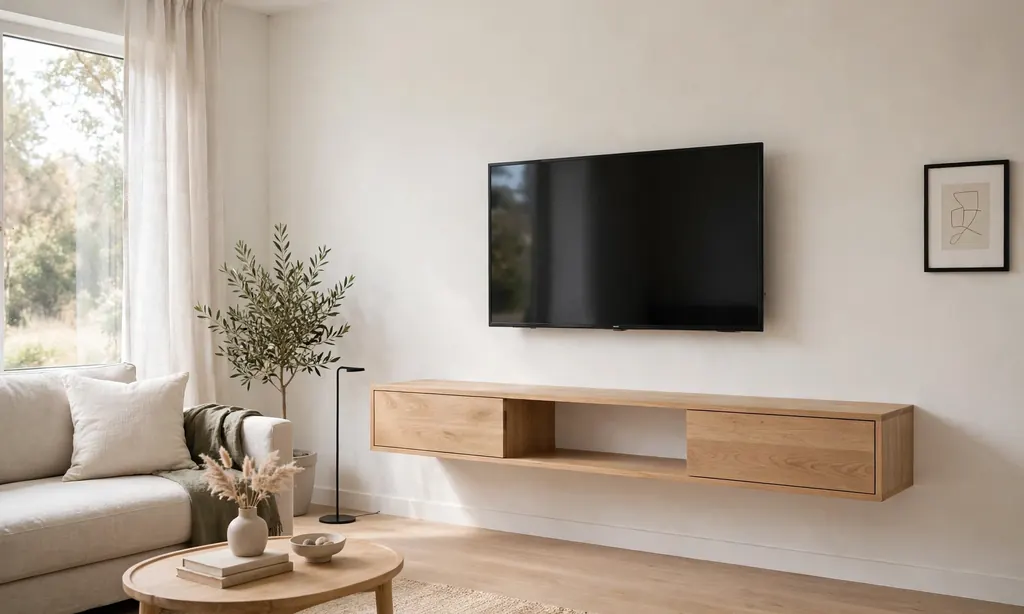
A wall-mounted media console keeps the floor clear and the room feeling open while hiding all your tech clutter. Cables tuck behind, components hide inside, and the visible floor underneath adds precious visual square footage. It looks custom and costs less than you think.
Mount it a few inches below the TV with enough depth for a soundbar. Choose a light wood or white finish to keep it airy. Leave the wall beneath empty — that negative space is doing important work.
Pro Tip: Add LED strip lighting under the console for a floating effect at night.
10. Layered Lighting Trio
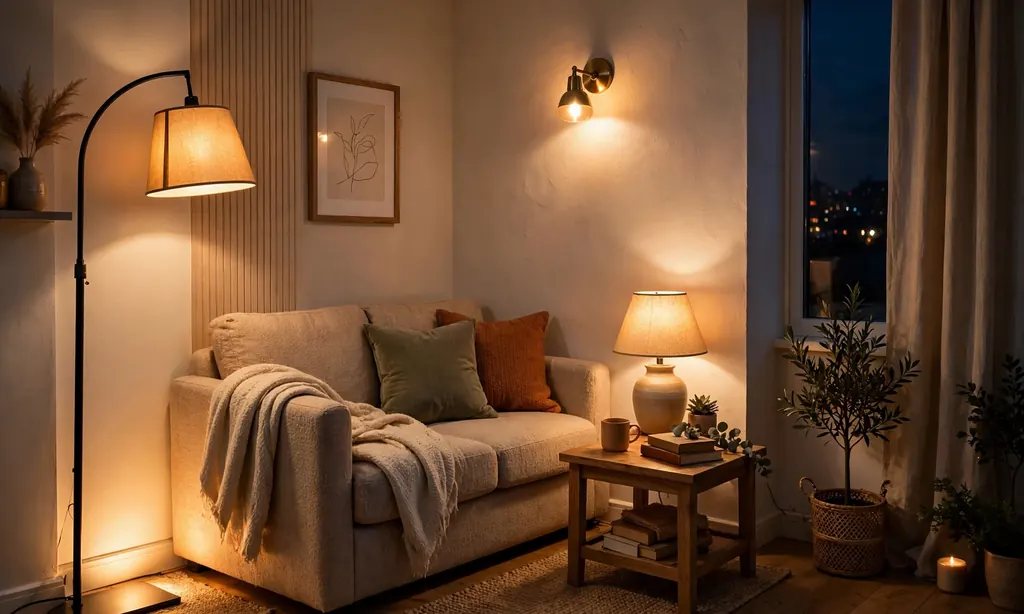
One overhead light flattens a small living room; three light sources at different heights give it dimension. Combine a floor lamp, a table lamp, and a wall sconce or picture light for warm, flexible illumination. Layered light makes small rooms feel rich and intentional.
Use warm-white bulbs throughout for cohesion. Put lamps on dimmers or smart plugs so you can shift moods easily. Each pool of light creates its own little zone, making one room feel like several.
Pro Tip: Place one light source near the mirror to double its glow across the room.
Read More: 20 Living Room With Fireplace and TV Ideas for Cozy Gatherings
11. Sheer Curtains Hung High and Wide
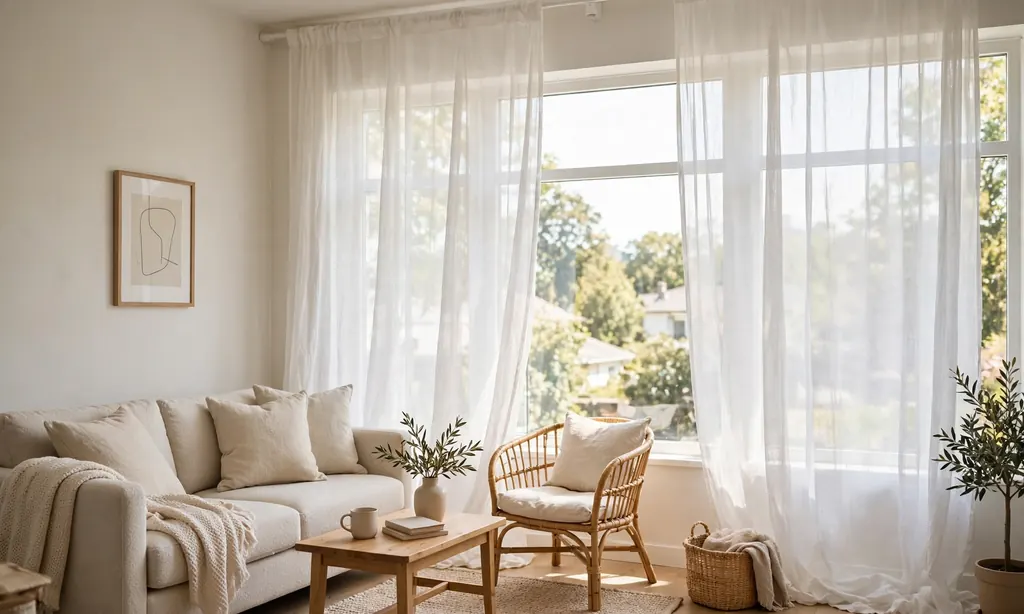
Hanging curtains close to the ceiling and extending the rod well beyond the window frame makes windows look far larger. Sheer fabrics filter daylight beautifully while keeping the view bright and open. It’s the oldest designer trick for small rooms, and it still works.
Choose breezy linen or voile in white or ivory for maximum lightness. Let panels just kiss the floor — puddling fabric eats visual space. One continuous rod across two close windows unifies them into one grand expanse.
Pro Tip: Match curtain color closely to the wall color for a seamless, expansive effect.
12. Nesting Side Tables
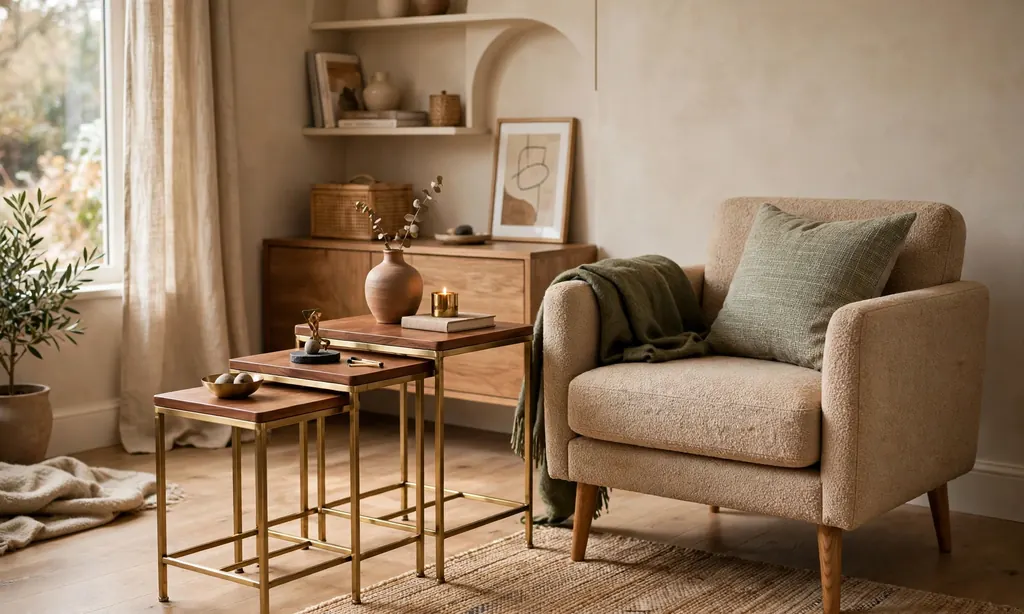
Nesting tables give you surfaces that multiply when guests arrive and vanish when they leave. Pull them apart for drinks and snacks, tuck them together into one slim footprint daily. They’re the Swiss Army knife of small-space furniture.
Choose a set with slim legs and light finishes so the nested stack stays visually quiet. Mixed materials — wood tops with brass frames, for example — keep them looking like decor. Keep the largest table styled and the rest ready to deploy.
Pro Tip: Use the smallest table as a plant stand in a corner when it’s not needed for serving.
13. Gallery Wall Up High
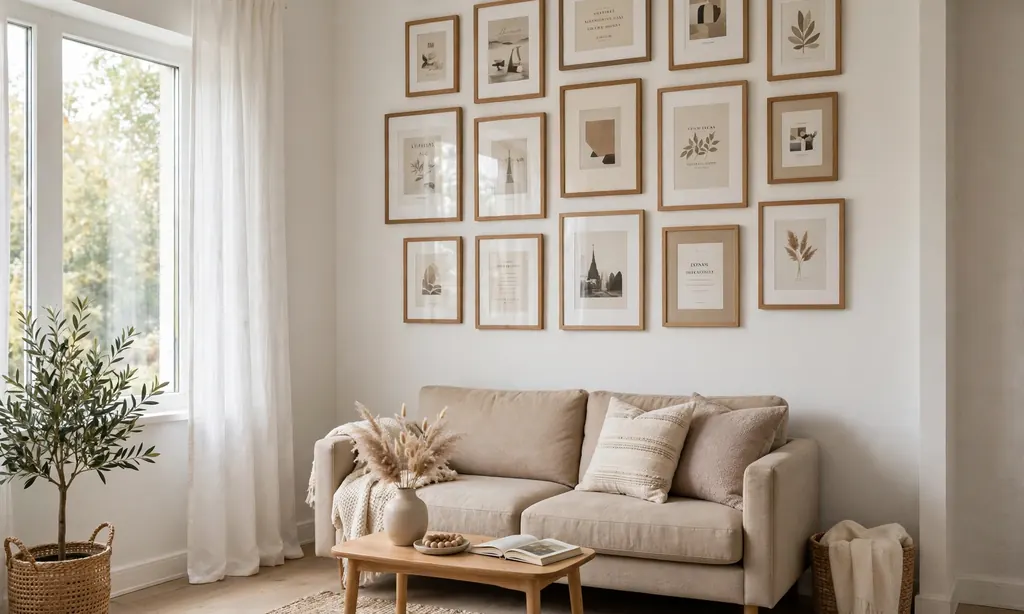
Take your gallery wall higher than usual — up toward the ceiling — to draw the eye up and make walls feel taller. A vertical arrangement of art above the sofa adds personality without consuming an inch of floor. High art makes low ceilings disappear.
Mix frame sizes but keep a consistent color story for cohesion. Start the arrangement at eye level and build upward. Leave the lower wall clean so the composition floats and the room breathes.
Pro Tip: Use lightweight frames and adhesive strips up high — safer and easier to adjust.
14. Foldable Accent Chairs
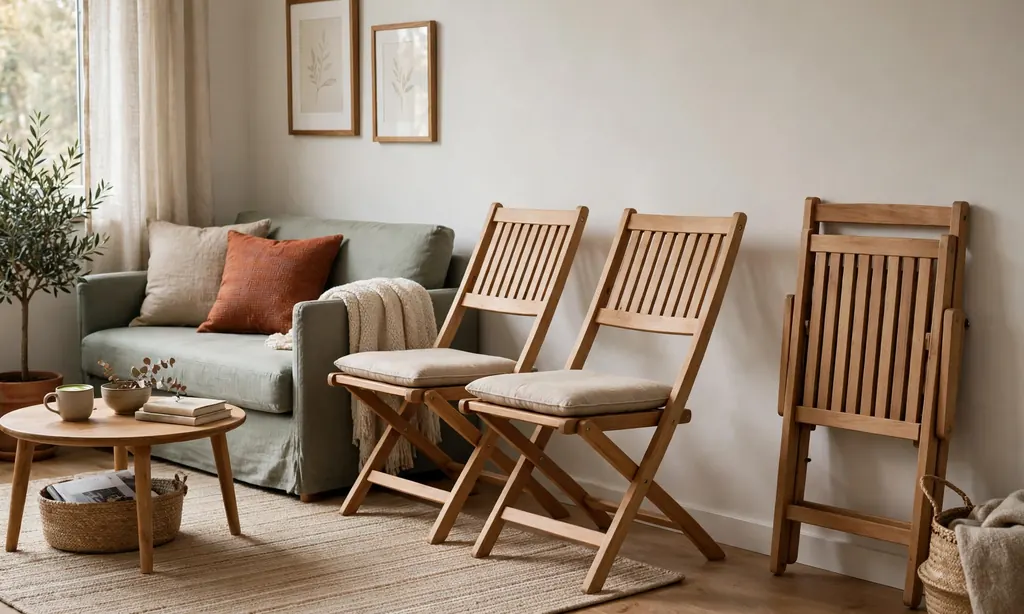
Beautiful folding chairs mean you’re never short a seat when friends visit — and never crowded when they leave. Modern designs in wood, rattan, or upholstered finishes look like permanent furniture. Hang spares on wall hooks as decor between uses.
Invest in comfort — a padded seat makes folding chairs genuinely usable, not just emergency backup. Choose designs that fold truly flat for slim storage. Two matching folding chairs beat one bulky armchair in a small room.
Pro Tip: Store folded chairs behind a door or in a closet so they’re always within quick reach.
15. Built-In Window Seat with Storage
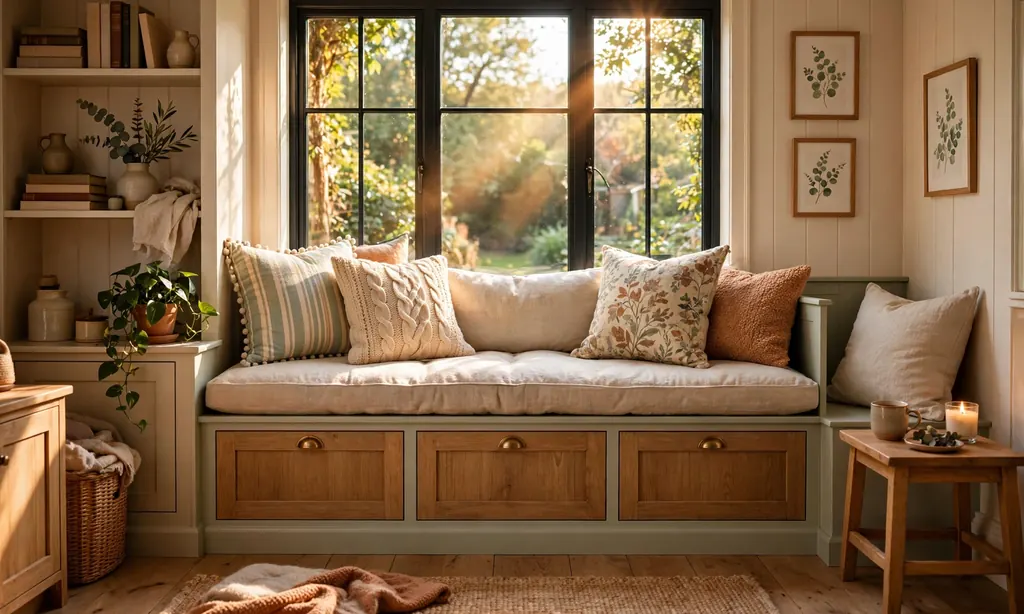
A window seat with storage underneath is the dream combo for small living rooms: beloved seating, hidden storage, and a sunny perch in one. Even a simple bench with baskets below captures most of the magic. It’s the coziest square footage in the house.
Top it with a custom cushion in a durable, washable fabric and pile on throw pillows. Store seasonal items, games, or extra throws inside. If a built-in isn’t possible, a sturdy storage bench works beautifully.
Pro Tip: Add a hinged top rather than drawers — it opens fully and holds bulkier items.
Read More: 20 Music Corner Decor Ideas for a Beautiful, Creative Space
16. Round Rug to Soften Corners
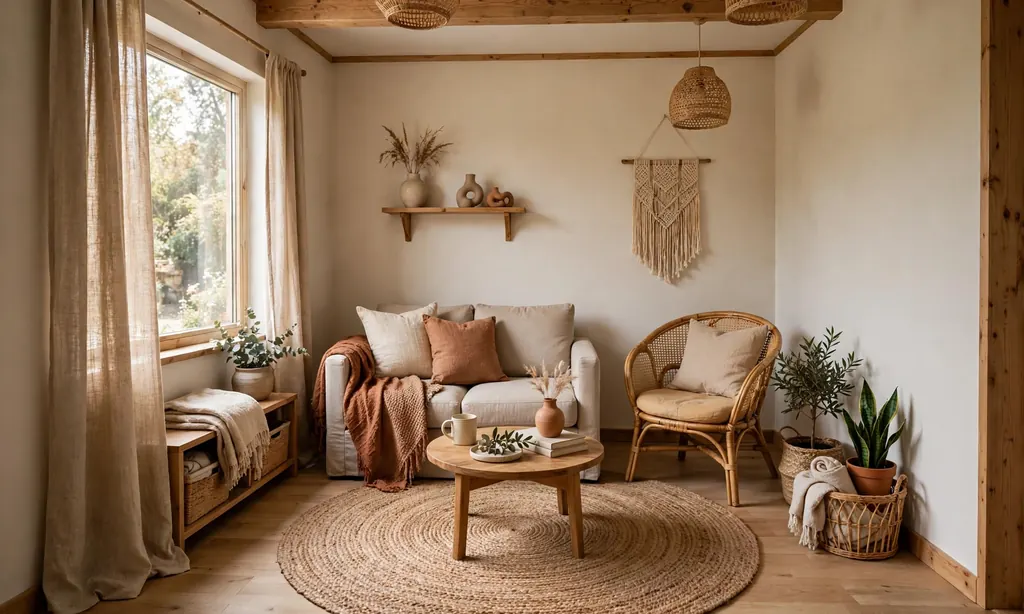
A round rug breaks up the boxiness of a small square room and improves traffic flow around furniture. Without corners to navigate, the layout feels more fluid and forgiving. It’s a simple shape swap with an outsized impact.
Size it so the front legs of your sofa and chairs rest on the rug. Jute and wool rounds add welcome texture underfoot. Center it in the seating arrangement, not necessarily in the room.
Pro Tip: A round rug under a round coffee table creates a harmonious, intentional vignette.
17. Tall Narrow Bookcase
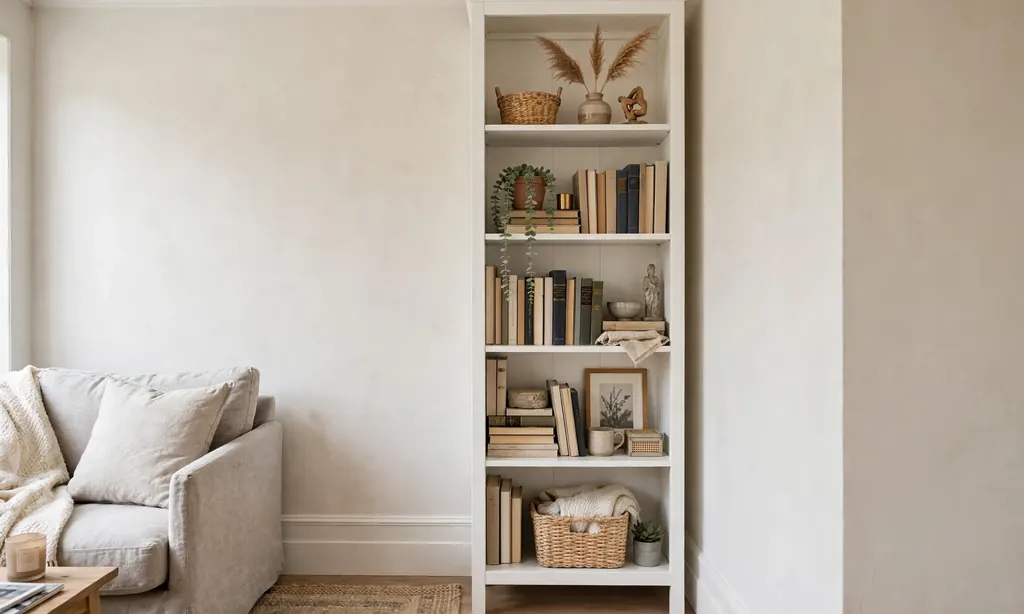
A tall, narrow bookcase claims vertical inches that wide, low furniture wastes. It holds a surprising amount while occupying barely two feet of floor. Flanking a window or doorway, it looks like custom built-ins.
Style shelves with a mix of books and breathing room — crammed shelves feel chaotic. Paint the back panel a soft accent color for depth. Anchor it to the wall for safety, especially in homes with kids or pets.
Pro Tip: Two narrow bookcases flanking a window read as one grand built-in unit.
18. Monochrome Throw Pillow Mix
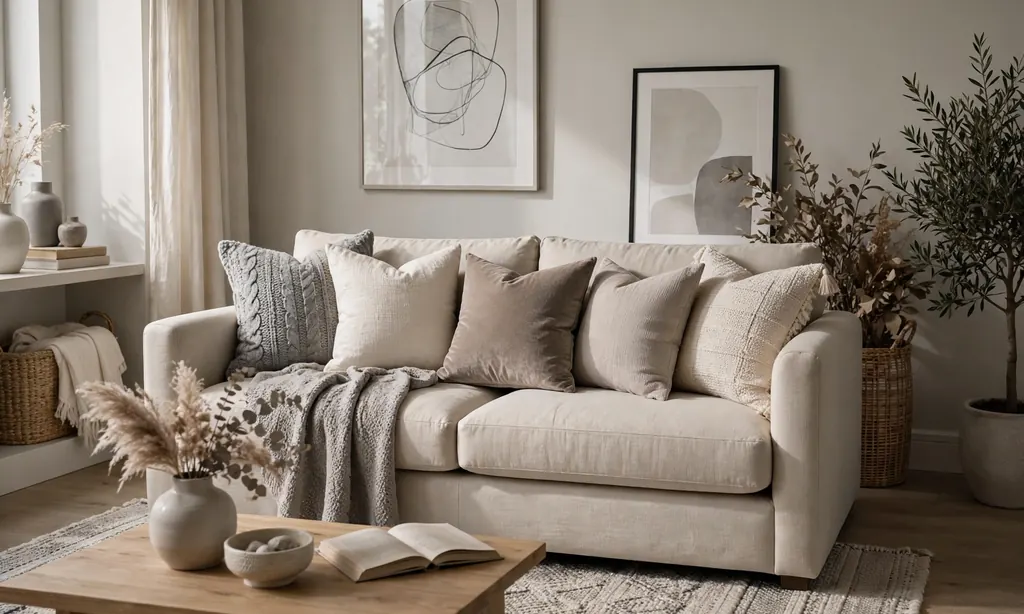
Pillows in varying shades of one color add richness without the visual noise of competing hues. A monochrome mix in creams, taupes, or soft grays looks effortlessly sophisticated. Texture — not color — becomes the star.
Combine linen, velvet, knit, and boucle in the same tonal family for depth. Odd numbers look best — three or five pillows on a small sofa. Swap one pillow seasonally for a fresh feel without redecorating.
Pro Tip: Use pillow covers rather than whole new pillows — cheaper to swap and easier to store.
19. Wall-Mounted Drop-Leaf Desk
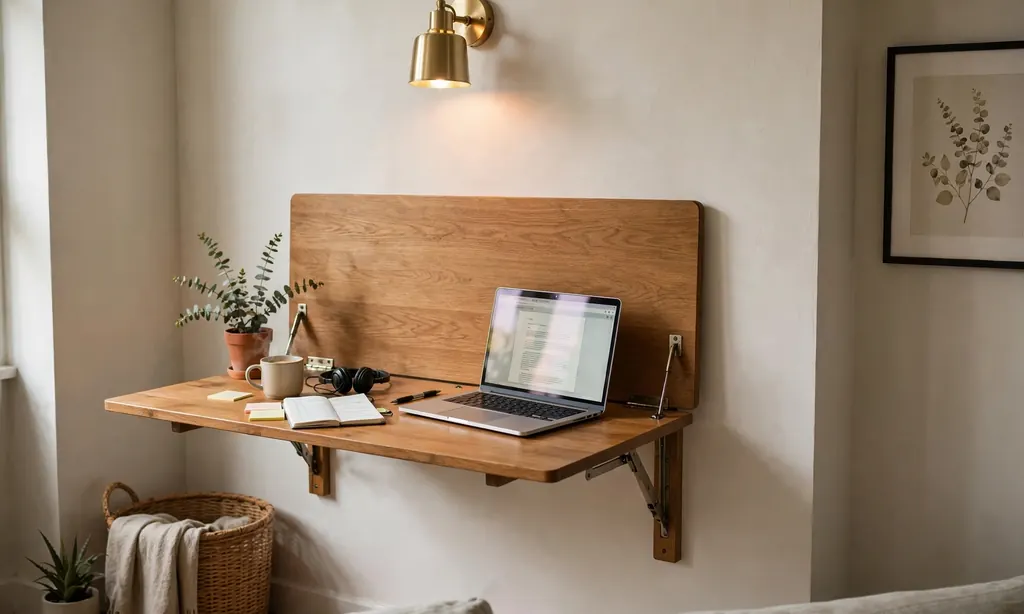
A drop-leaf desk on the living room wall creates a work-from-home spot that folds away to a slim shelf. Open it for laptop sessions, close it when the workday ends. Small living rooms can host a home office without surrendering to one.
Choose a design with interior cubbies so supplies have a home when folded. Mount at proper desk height — 28 to 30 inches. A comfortable folding chair completes the setup and stores flat.
Pro Tip: Add a small wall sconce above the desk for focused task light that needs no floor space.
20. Indoor Plants at Varying Heights
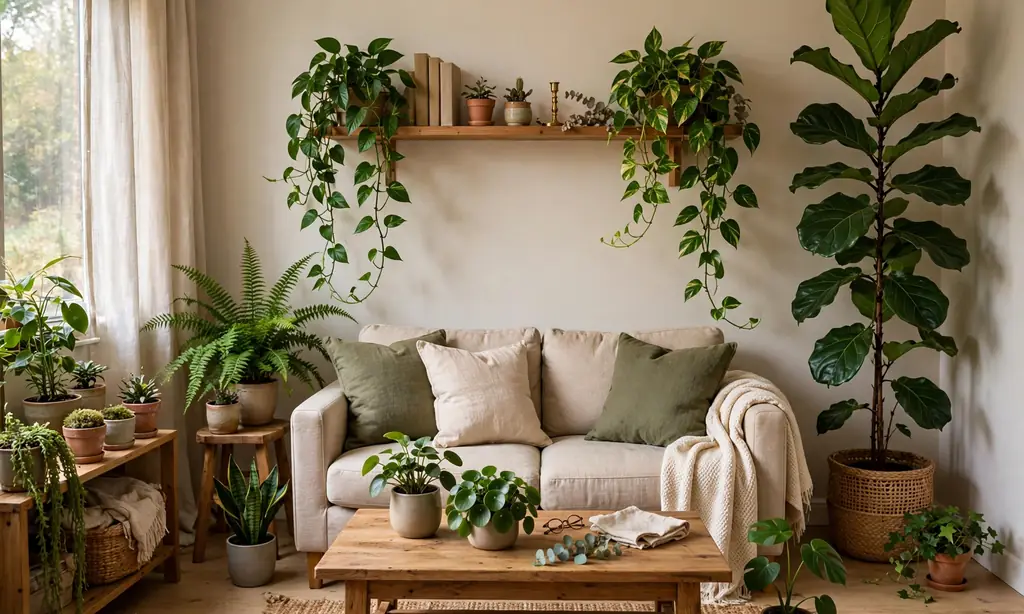
Plants at different heights — a tall floor plant, a trailing one on a shelf, a small one on the coffee table — create a lush, layered look that makes a small room feel alive. Greenery softens hard furniture lines and cleans the air. Every small living room needs at least three.
Choose easy-care varieties like pothos, snake plants, and ZZ plants if you’re not naturally green-thumbed. Group plants in odd numbers for a natural feel. Hanging planters claim zero floor space at all.
Pro Tip: A tall plant in an empty corner fills dead space better than any furniture.
Read More: 20 Fall Front Porch Decor Ideas for a Cozy Autumn Welcome
Small Living Room Styling Tips
Scale Every Piece to the Room
Oversized furniture is the fastest way to shrink a small living room. Choose apartment-scale sofas, slim chairs, and narrow consoles. Leave breathing room around each piece — crowded furniture reads as clutter.
Declutter Relentlessly
In a small room, every object is on display, so edit hard. Keep surfaces mostly clear and store the rest out of sight. A tidy small room feels calm and generous; a cluttered one feels chaotic.
Let Light Do the Heavy Lifting
Maximize natural light with sheer curtains and clean windows, then layer warm artificial light for evenings. Light colors and reflective surfaces multiply every lumen. A bright room always feels bigger than a dim one.
Show More Floor and Wall
Furniture on legs, floating shelves, and wall-mounted pieces reveal floor and wall that make the room breathe. The more continuous surface the eye can travel, the larger the space feels. Negative space is a design element — use it.
Unify with a Tight Palette
Too many competing colors chop a small room into visual pieces. A cohesive palette of three to four tones flows calmly from wall to furniture to accessories. Save bold color for small, swappable accents.
Frequently Asked Questions
1. What size sofa works best in a small living room?
A loveseat or apartment-size sofa (68–72 inches wide) usually fits best, paired with one accent chair rather than a second sofa. Choose slim arms and raised legs to keep it visually light. Always measure your room and doorways before buying.
2. How big should a rug be in a small living room?
Go as large as the room allows — ideally all front legs of seating sit on the rug. A too-small rug chops up the floor and makes the room feel smaller. In most small living rooms, a 5×8 or 6×9 rug hits the sweet spot.
3. Can I fit a TV in a small living room without it dominating?
Yes — wall-mount it to free floor space and frame it like art with surrounding decor or a gallery wall. A floating console below keeps components hidden. Choose a size proportional to your viewing distance, not the biggest that fits the wall.
4. What colors make a small living room look bigger?
Light neutrals — warm white, pale beige, soft gray — reflect light and push walls outward visually. A monochromatic scheme feels calm and continuous. Add depth with texture and a few darker accents rather than dark walls.
5. How do I add storage without bulky furniture?
Use dual-purpose pieces: storage ottomans, window seats with hidden compartments, and coffee tables with shelves. Go vertical with tall narrow bookcases and floating shelves. Decorative baskets corral clutter beautifully on open shelving.
6. Should curtains be light or dark in a small living room?
Light and sheer wins for small rooms — they maximize daylight and keep the window feeling open. Hang them high and wide to make the window look larger. If you need privacy, layer sheers with a light-filtering blind rather than heavy drapes.
7. How many plants is too many for a small living room?
There’s no strict number — it’s about placement, not count. Three to five plants at varying heights usually hits the sweet spot. Use hanging planters and wall shelves so greenery doesn’t eat floor space.
8. What’s the biggest mistake in small living room design?
Pushing all furniture against the walls. Pulling seating even a few inches off the wall creates breathing room and better flow. The other classic mistake is buying oversized furniture — scale everything to the room, not the showroom.
Conclusion
Small living rooms aren’t a compromise — they’re an invitation to decorate with intention. From leggy sofas and strategic mirrors to layered lighting and clever dual-purpose pieces, these twenty ideas prove that thoughtful choices matter far more than square footage. The coziest rooms are rarely the biggest ones.
Start with the fundamentals — a light palette, right-sized furniture, and cleared surfaces — then add the ideas that fit your life, whether that’s a reading nook corner or a wall of floating shelves. Finish with a few favorite decorative pieces to make the space unmistakably yours. Your small living room is about to feel like the best seat in the house.